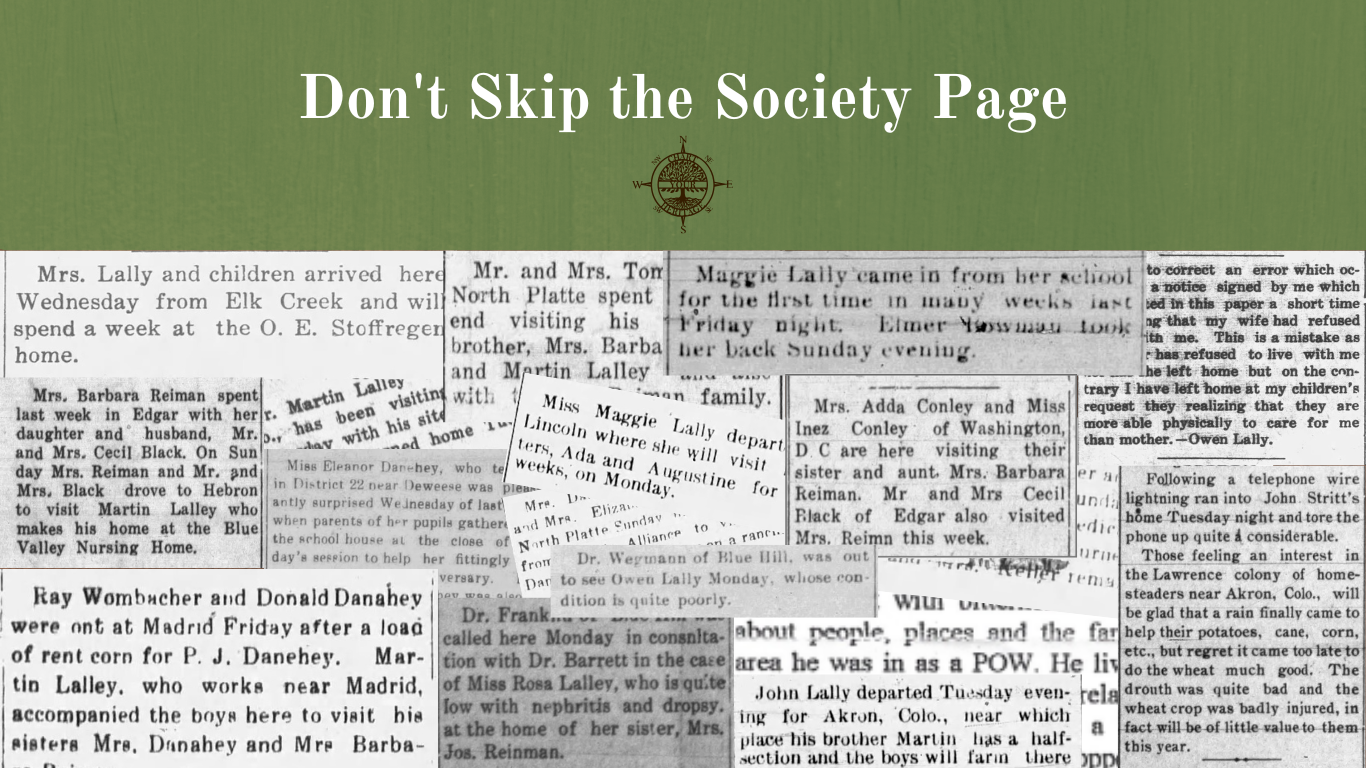
Who remembers reading the newspaper? The feel of the paper, the particular smell of the ink used. Before social media, the newspapers provided those news items about your community and friends. The obituary section was popular; I recall my grandparents discussing that section, their memories of friends recently departed, and the inevitable reminder to take the family a casserole. The papers were always perused on Saturday mornings with a cup of coffee or at the evening mealtime. While newspapers may not provide the same connection today, or at least they aren’t as timely as those Facebook posts or Instagram stories, they still serve a purpose in our genealogy research.
And sometimes, the discoveries hiding in those old columns are the ones that break a research case wide open.When your own family tree hits that wall, shifting to a collateral line—a cousin or sibling—is a method of busting through. It was while researching a potential cousin connection that I finally shed some light on my own brick wall ancestor.
I distinctly recall flipping through a newspaper search and coming across my ancestor's name. And a mention of his birthplace—Chicago. And even more importantly a cousin. A cousin I had never heard of before.
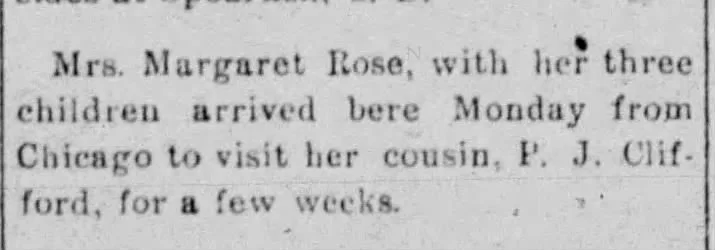
Lawrence Locomotive (Lawrence, Nebraska), 23 August 1902, page 1; Newspapers.com.
The news article wasn't an obituary or marriage notice, but one of those society columns that small town newspapers excel in. It wasn't very large, but it mentioned a cousin’s visit, a piece of news with much greater repercussions than its author could have ever imagined.
You are lucky if you have an ancestor who spent time in one of these areas with a local paper, and zealous contributors. The local news will give you a rich picture of your ancestor and their life. These papers often report on visiting family members. Or even who had dinner at which neighbor. Recording these social columns will also help you identify members of your ancestor’s FAN club (Friends, Associates, and Neighbors). These FAN club members may be mentioned as visitors to your ancestor, or maybe they moved and a report back to your ancestor’s community makes its way into the local paper. While seemingly innocuous, these stories can help track individuals through moves that may not make their way into those decennial census records. These are the stories that help reconstruct the world of your ancestor. These stories reach beyond the vital dates.
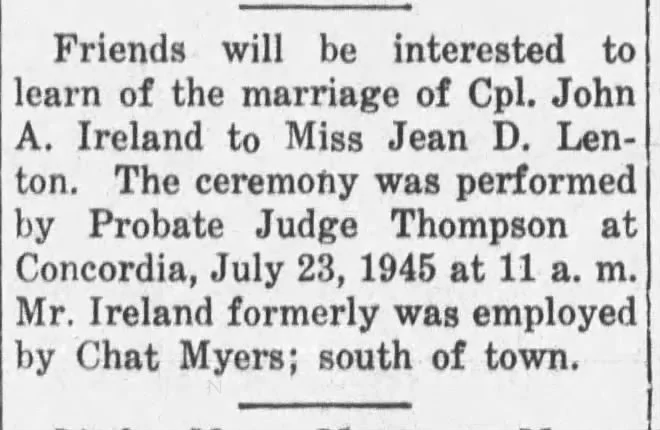
The Hardy Herald (Hardy, Nebraska), 2 August 1945, page 1; Newspapers.com.
Newspapers can also be an alternative source in the absence of vital records. Many localities didn't record vital information (birth, marriage, and death) but the local paper may mention the event. Researching the local papers should always be part of a research plan.
Occupations and accidents are subjects worth exploring. While my great-grandmother is listed in the US census as a schoolteacher, it didn't specify which school she taught. Through the newspapers I was able to follow her career progression from one county school to another. She eventually ended up teaching at a school in a neighboring town before she married. Knowing which schools she taught and the places she boarded brought her teaching career to life for me. One article even mentioned how her class performed. She seems to have had more patience than I have! Her future husband had an accident reported in the paper—he was knocked down by a bull during chores! Thankfully he escaped with only minor injuries.
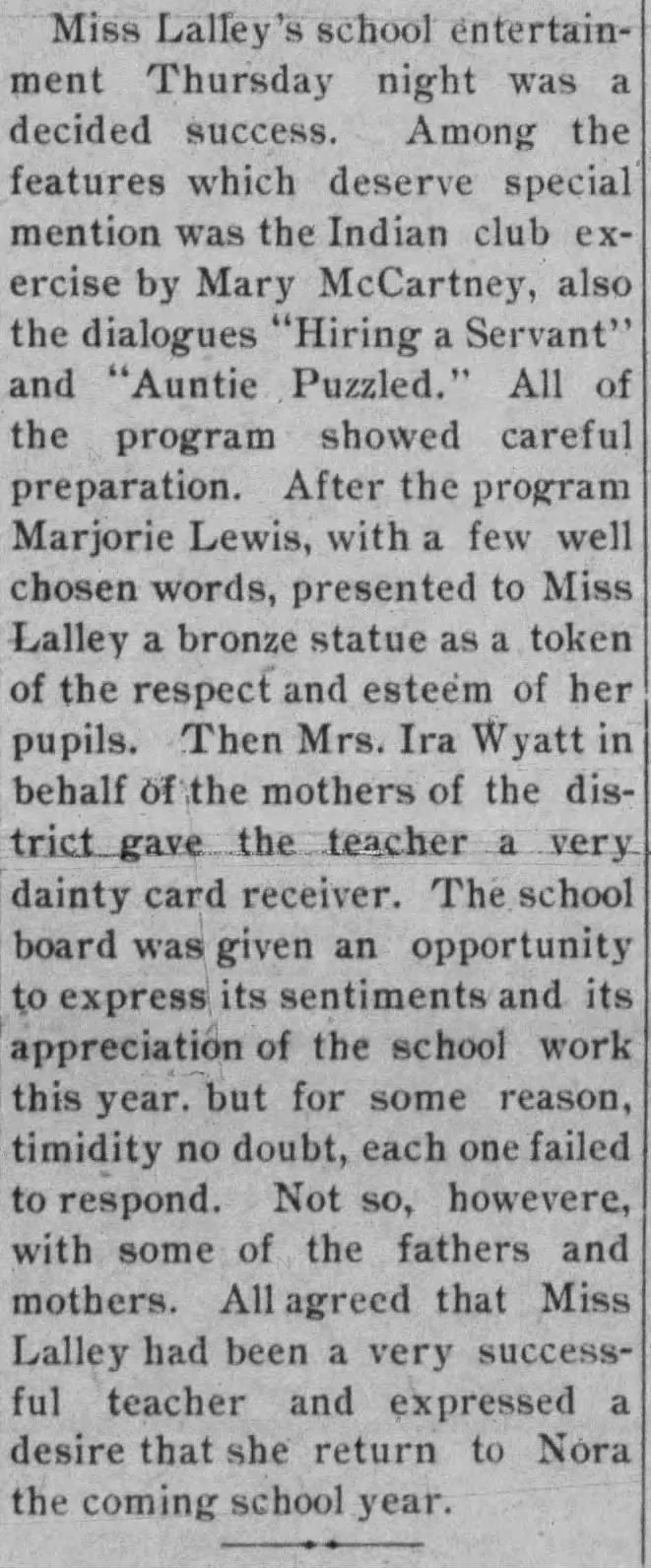
The Nelson Gazette (Nelson, Nebraska), 2 May 1907, page 5; Newspapers.com.
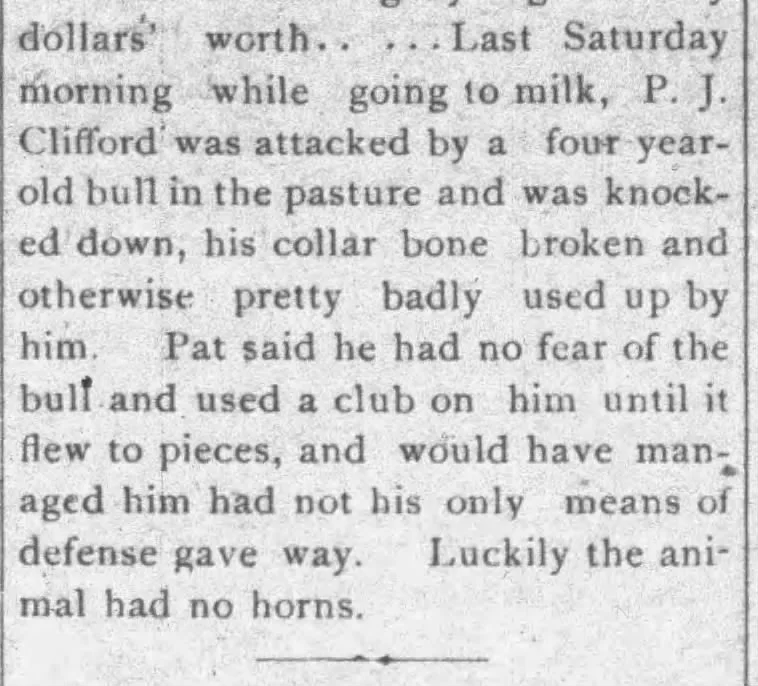
The Nelson Gazette (Nelson, Nebraska), 3 August 1899, page 3; Newspapers.com.
My great-grandfather ran for sheriff one year. He didn't win, and I certainly had no idea that the family may have been inclined to local law enforcement. I later found two of his sons listed in the county jail book—they seem to have been very different from their father. But following his election campaign painted a picture I would have never had. He ran under the populist ticket—an interesting insight into a man I never knew.
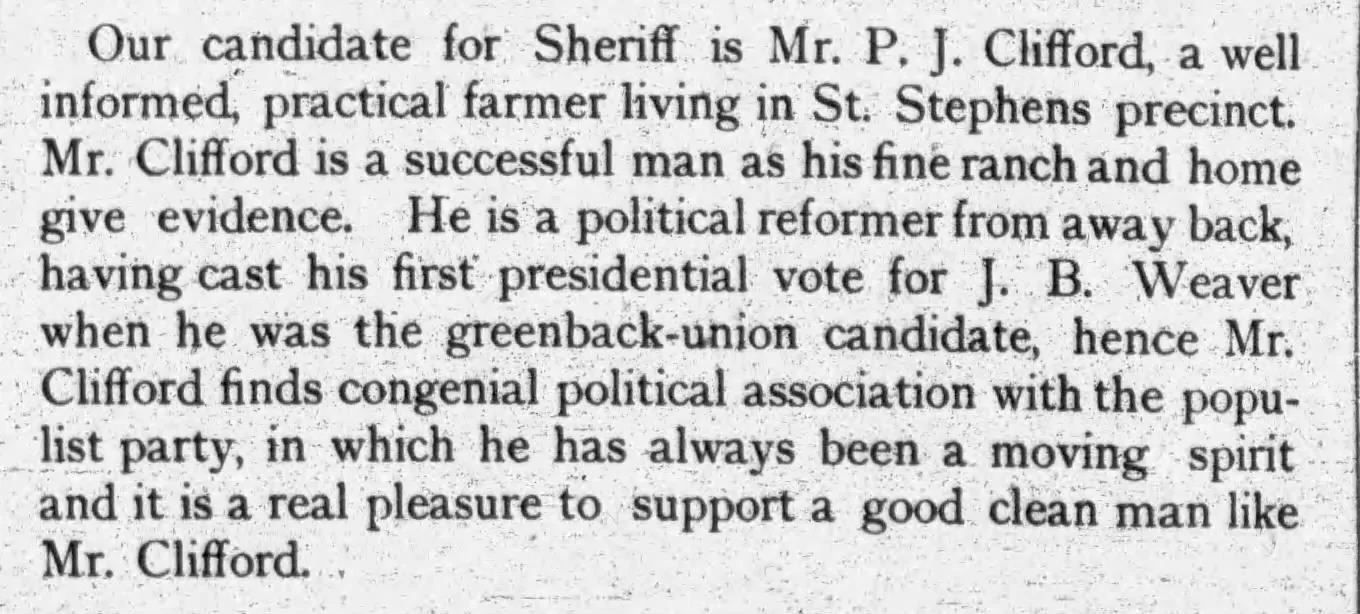
The Superior Express (Superior, Nebraska), 3 October 1901, page 3; Newspapers.com.
Your strategy for finding these gems is something that should be included in your research plan. As part of your locality guide, local newspapers for your timeframe should be listed. Like all businesses, newspapers come and go. Sometimes they are renamed or subsumed under a competitor’s brand. A great place to start finding relevant newspapers is Chronicling America—a project of the US Library of Congress (https://www.loc.gov/collections/chronicling-america/about-this-collection/). You can filter by location and time period to find the relevant titles and now they even have an interactive map!
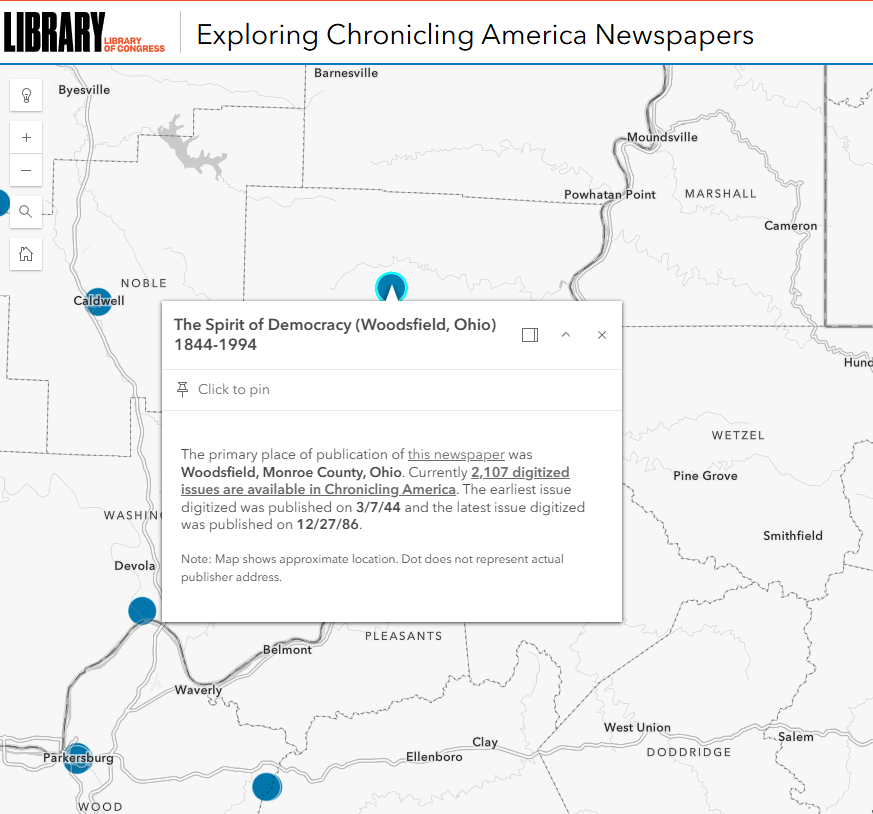
US Library of Congress, Chronicling America.
If you find that your paper isn't included online at the Library of Congress there are often other options. Newspapers.com—a subscription site under Ancestry.com has a large range of digitized newspapers—and it is incredibly easy to use. Another subscription site for US papers is Genealogy Bank. If you are researching in Ireland a one-month subscription to Irish News Archives is a good idea.
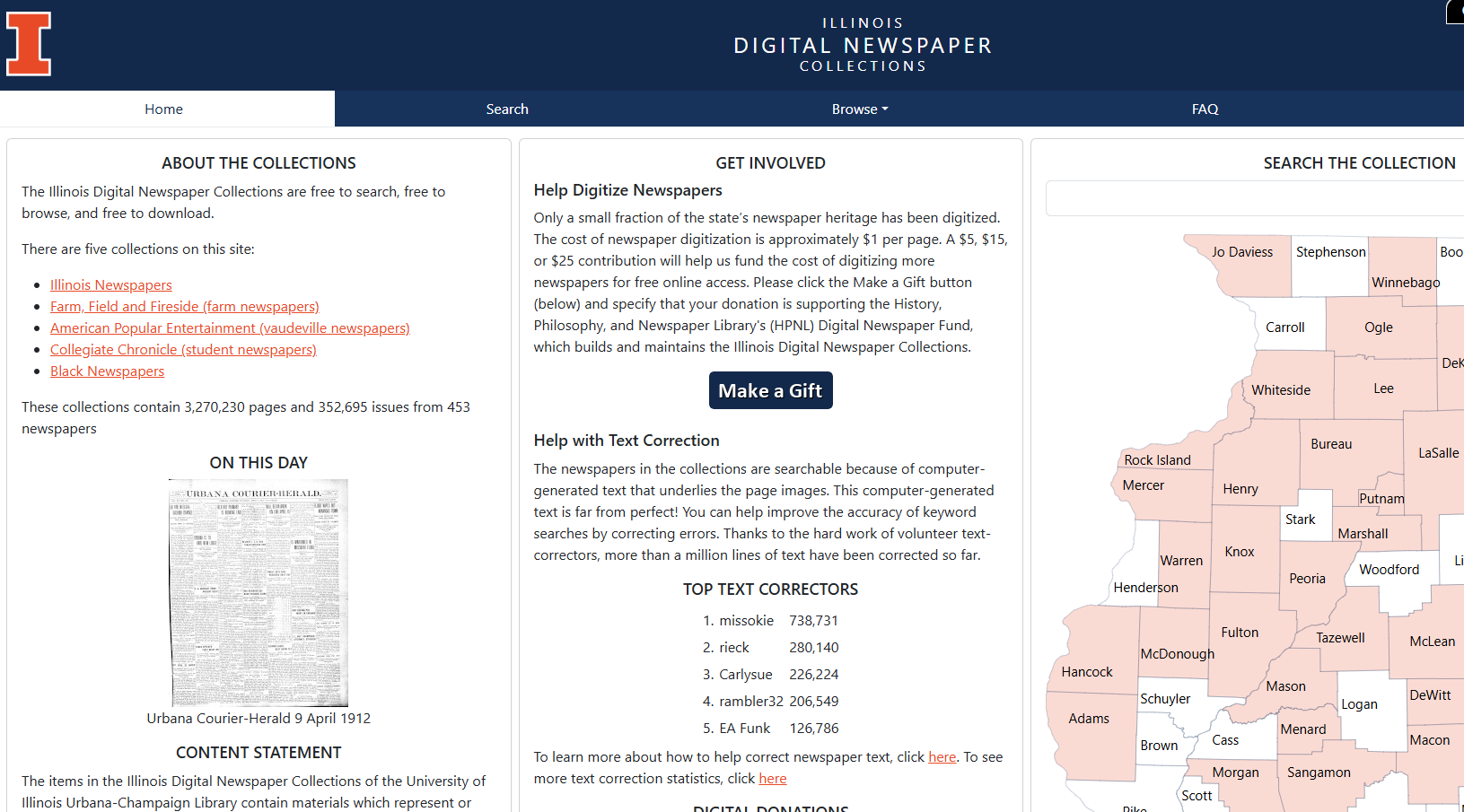
Illinois University Library Digital Newspaper Collection
If you can't find the relevant papers on those sites—don’t give up! Many local libraries or universities have digitization projects. For example, the Illinois University Library has a digital newspaper project. For one locality, I was able to find all the relevant papers digitized at a county museum. This is why a locality guide can ensure you don't miss these regional resources.
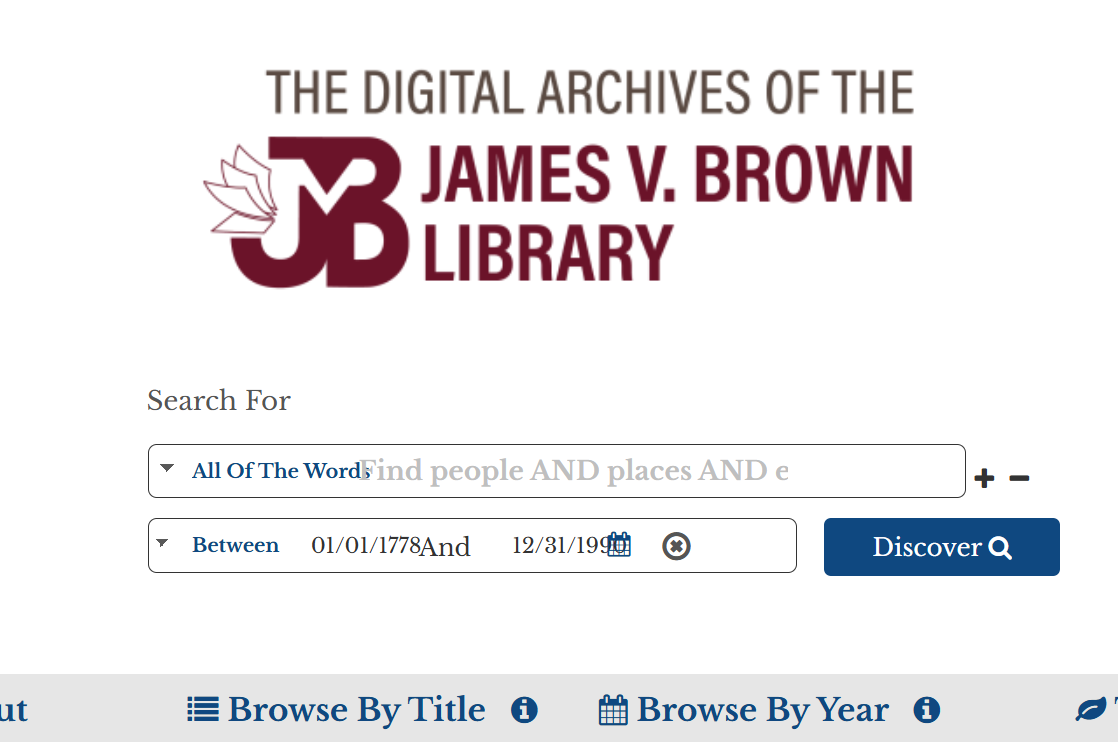
James V. Brown Library
Another part of your research plan should include different search terms. I would never have found the article about my relative's cousin’s visit without searching for him under his stepfather's surname. For most of his young adulthood he used the surname of his stepfather—not the surname he eventually passed down to me. Sometimes I am thankful I can find him as a Clifford. Searching all the ways Danehey can be spelled is overwhelming. Even using wild cards, it can be hard. But searching for a variety of spellings will help ensure you conduct exhaustive research.
All of this research is worth it though, when you come across that one article that takes your breath away and causes you to do the genealogy happy dance. An article that helps advance your research, or breathe life into your ancestor. These are the discoveries that keep you coming back for more. If newspaper research is on your to-do list but the digitized archives feel overwhelming, that’s exactly the kind of research I do for my clients—learn more at https://www.chartyourheritage.com/services.