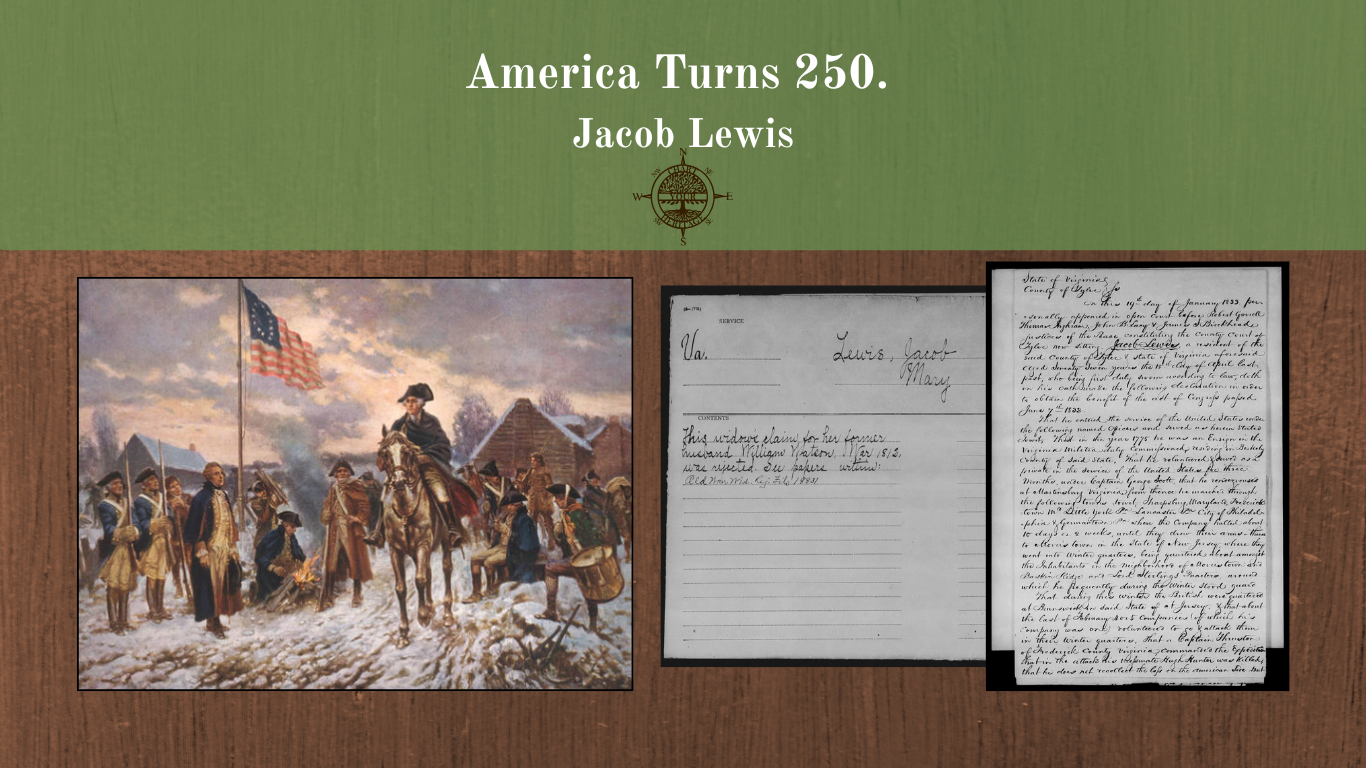
Jacob Lewis was an ensign from Berkeley County, Virginia who volunteered as a private, wintered with Washington's army, was inoculated against smallpox by the General's own order, and helped raise a lonely fort in the Ohio wilderness. His deposition is quiet and matter-of-fact — but the history around it is anything but neat.
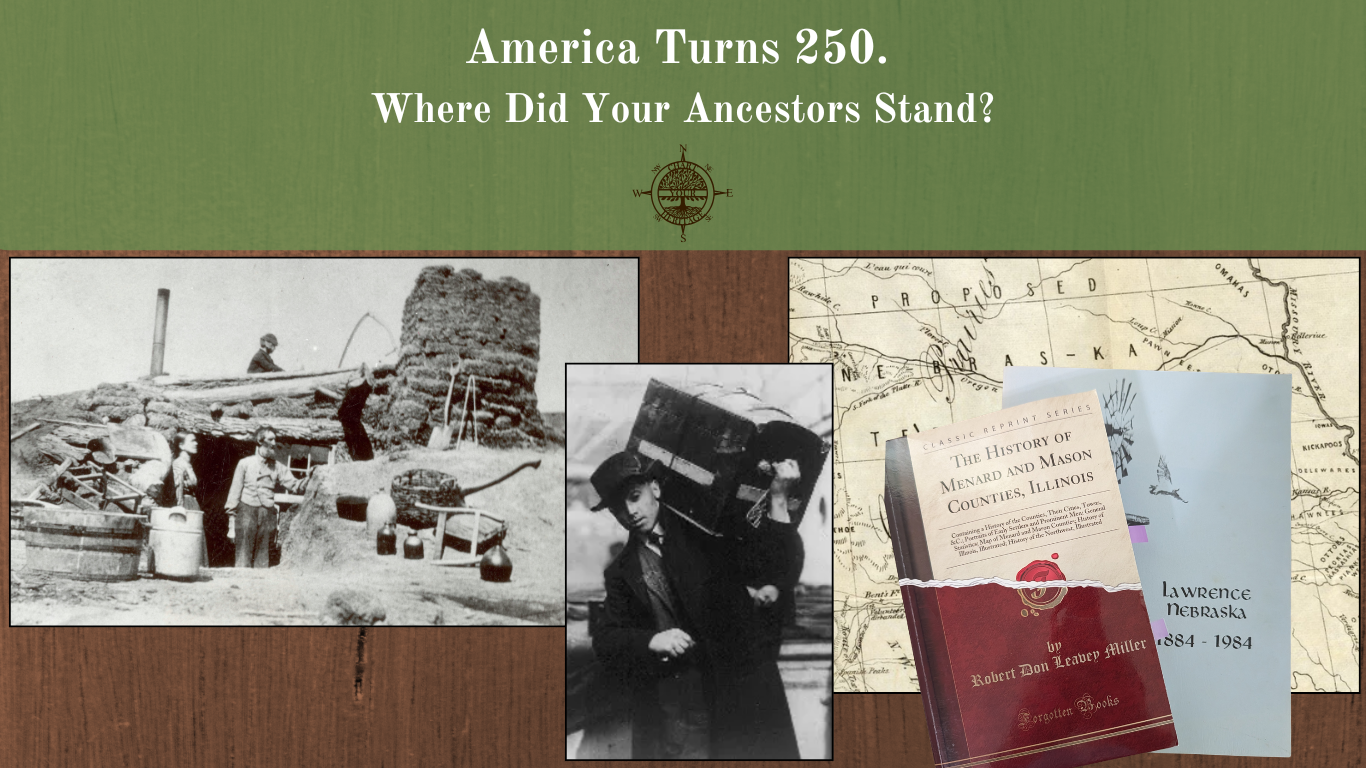
The history books tell the story of Lincoln, Harriet Beecher Stowe, and Chief Red Cloud. But the settlers, the soldiers, the immigrants, the everyday people — their stories are just as much a part of America's 250 years. Your ancestors were there. Do you know where they stood?
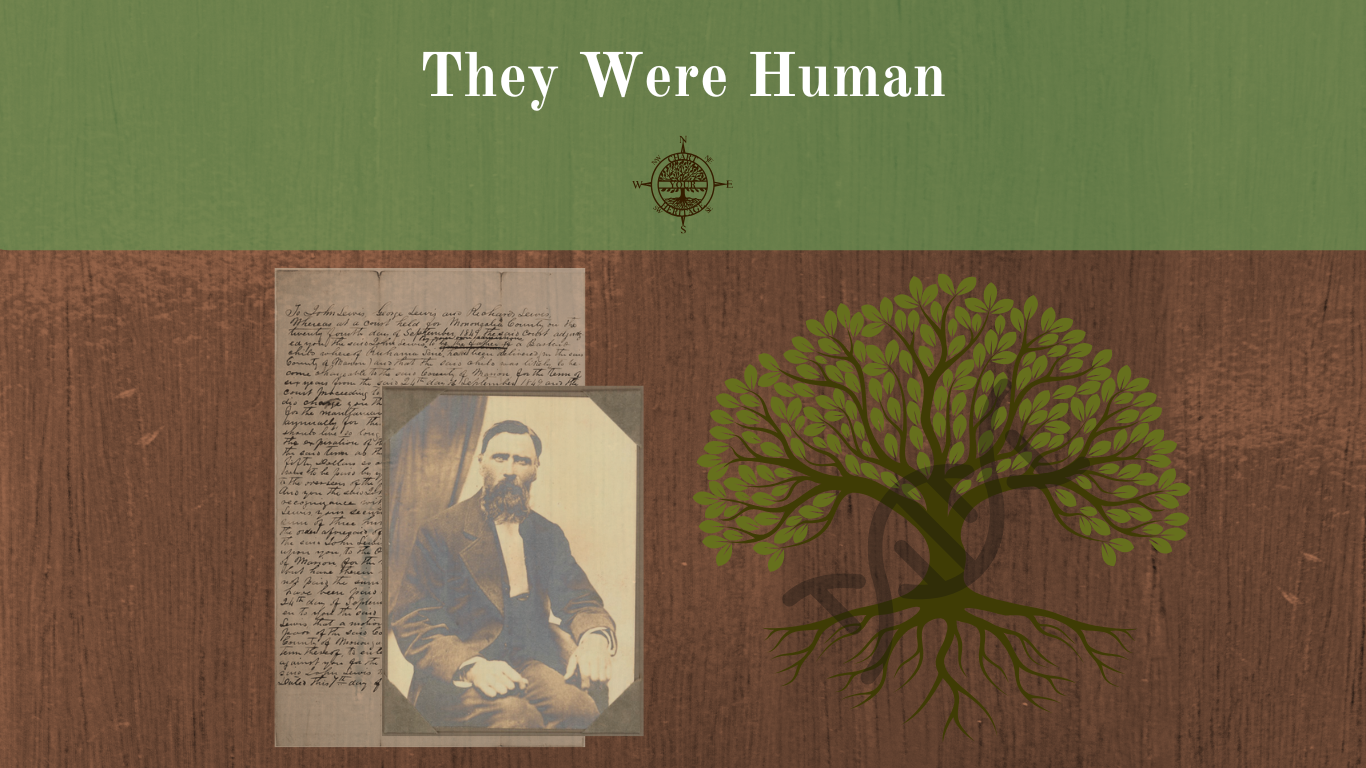
We spend so much time honoring our ancestors that we sometimes forget they were human — complicated, flawed, and doing their best with what they had. The whole story, uncomfortable parts included, is the only story worth telling.
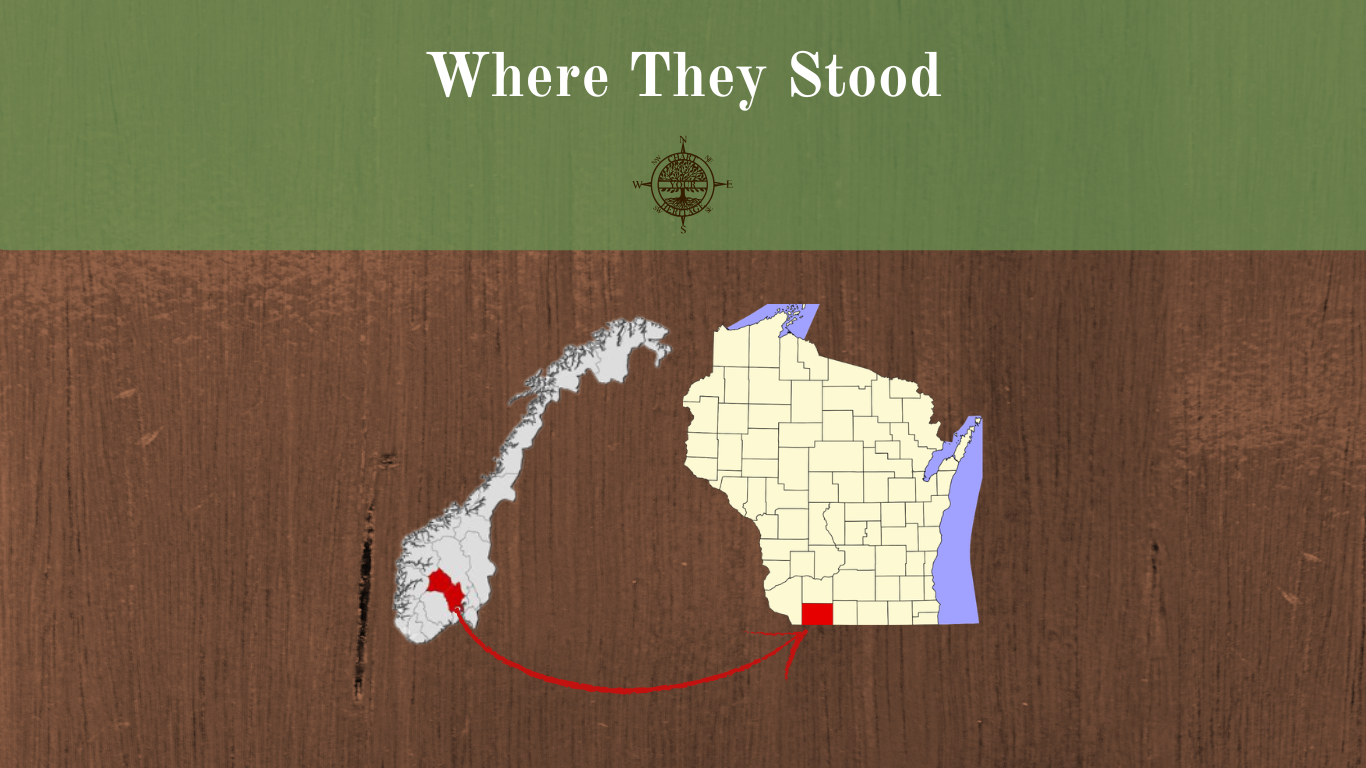
If you've ever wondered why your ancestors moved, where they actually lived, or who their closest neighbors were — a map can answer questions that documents alone can't. It's one of my favorite parts of building a family history book for clients.
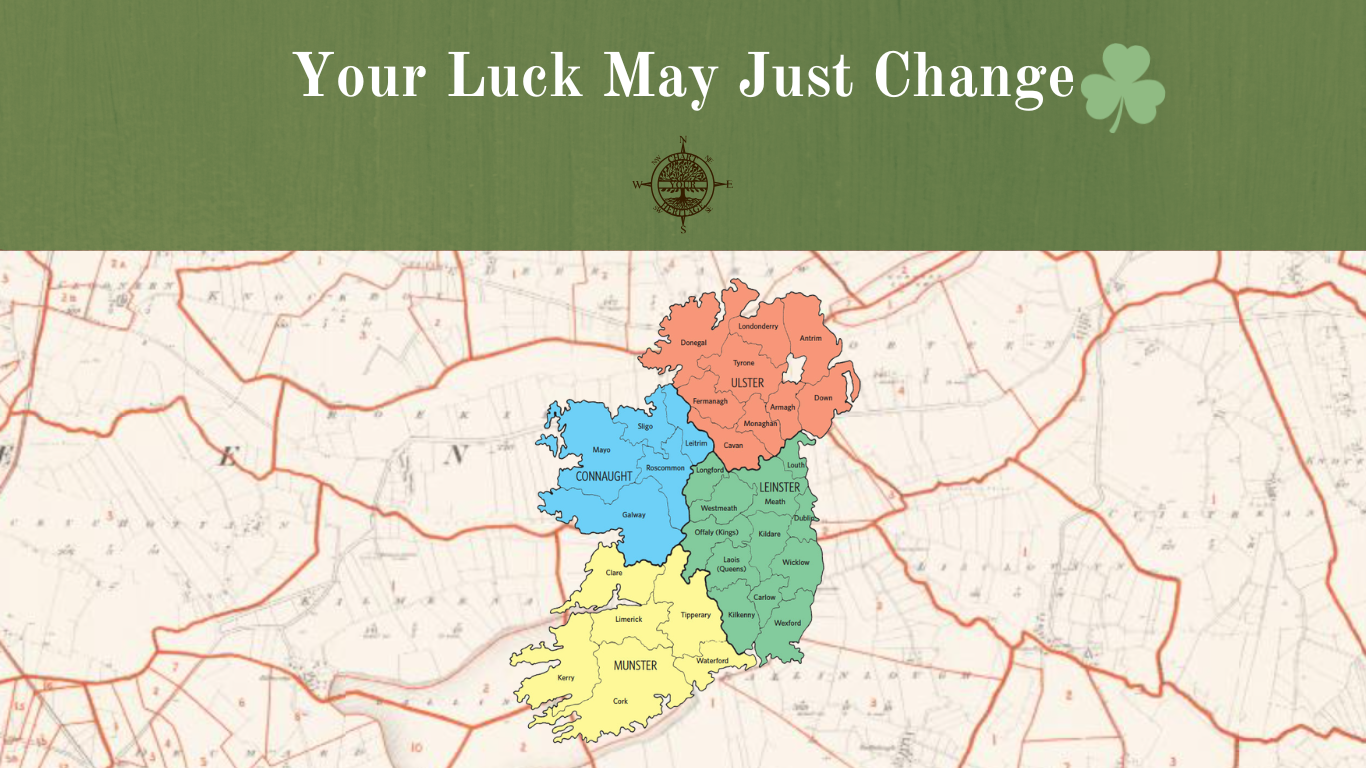
The brick wall every Irish researcher knows — "Ireland" on a death certificate, a townland no one can find, records that simply don't exist — may have just cracked open. The 1926 Irish Census releases April 18th, and if you have Irish ancestry, this is the record you've been waiting for.
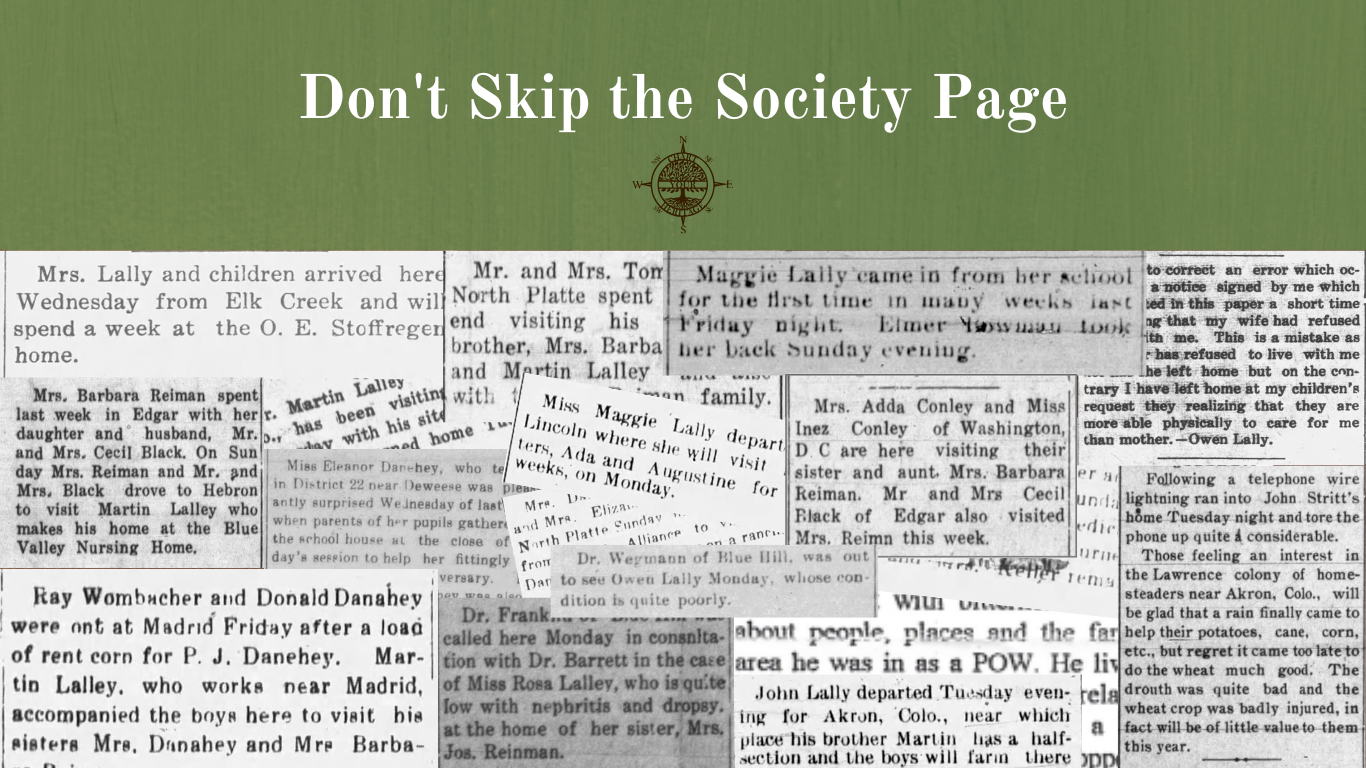
I was scrolling through digitized newspapers when I spotted my ancestor's name in a small society column — the kind that reports who came to visit and who had dinner with whom. It wasn't an obituary or a marriage notice. It was three sentences about a cousin's visit. A cousin I had never heard of. That tiny column cracked a brick wall I had been staring at for years. Old newspapers are full of moments like that — and if they aren't part of your research plan yet, they need to be.