Growing up on a farm in central Nebraska creates a lifelong obsession with maps. We would spend countless hours driving or talking about who owned what quarter, who owned it before, who was farming it. A county plat map was always in the seat pocket of the car, and you would learn to reach for it when dad said, “pull out the map.”
The countless Navy moves have only expanded my need for a map. As we have changed residences, states, even countries, my appreciation for how location tells a person's story has deepened. When I look at a map of our family’s moves a story emerges. Your ancestors' maps do the same thing—if you draw them.
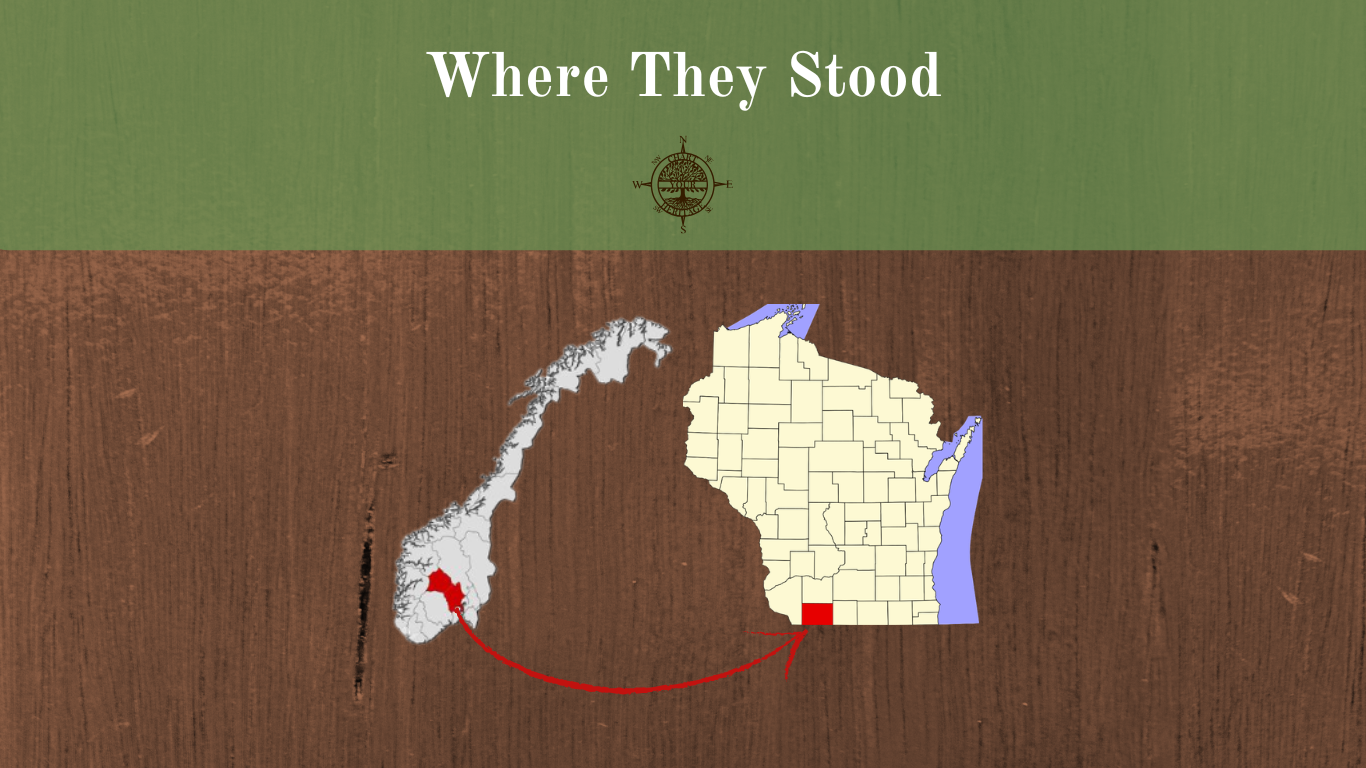
I recently expanded our Norwegian line family tree. I looked at the township map in Wisconsin and before my eyes an extended family started to emerge. The siblings of my Norwegian fourth great-grandmother, Sigrid, clustered across a few sections, near to where she would eventually settle with her second husband. Before, we only had the knowledge that Sigrid immigrated, but now we can see her extended family as her neighbors in their new land. The story becomes richer: the brother who immigrated first, who established a family, and then his sisters— widowed or with a family— followed, growing in a Norwegian corner of Wisconsin.
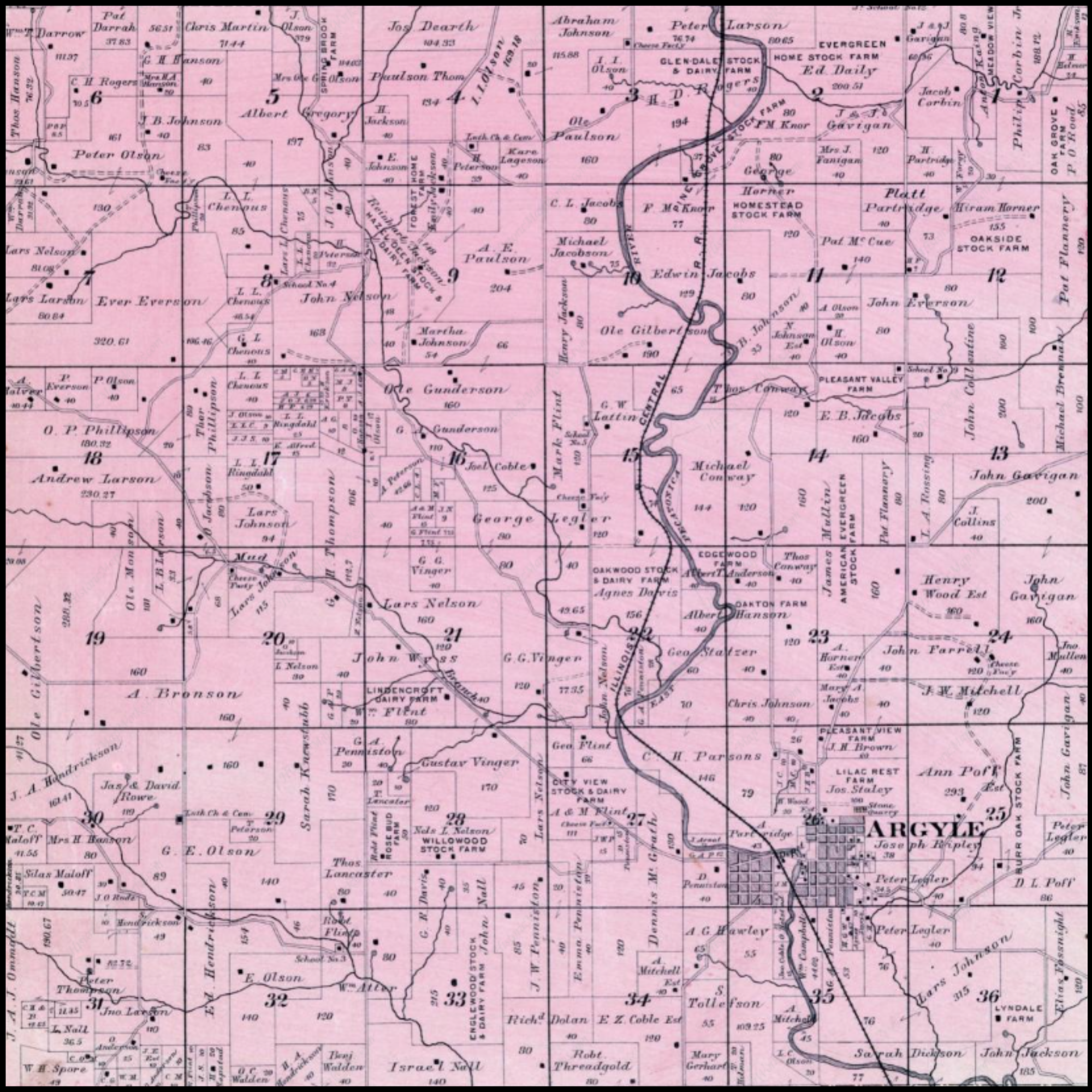
1895 Plat Map of Argyle Township in Lafayette County, Wisconsin
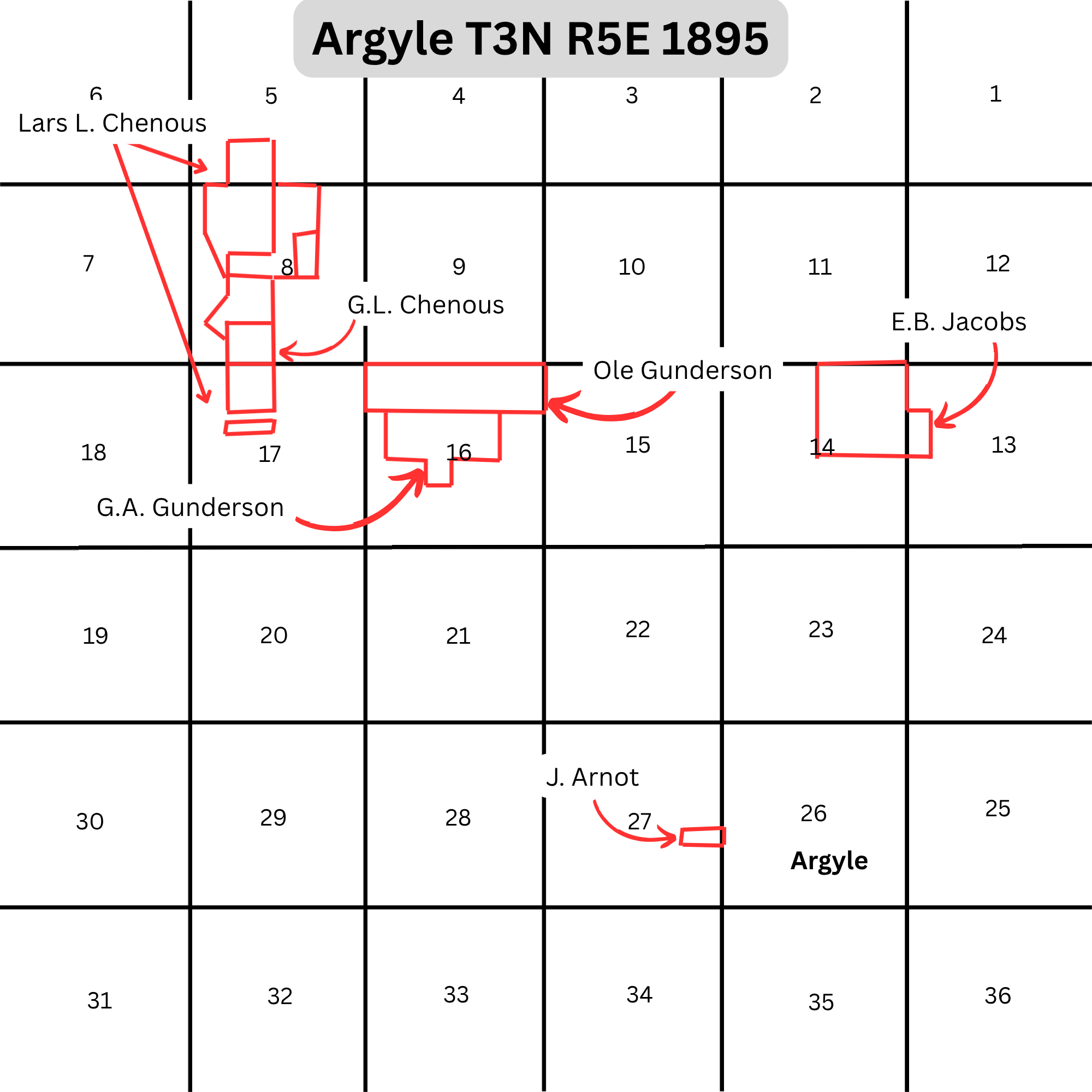
Using Canva, I created a custom map of the land owned by Sigrid’s siblings, highlighting their proximity.
Why do maps matter? They can reveal answers to outstanding questions. Why did a family from Kentucky move to Central Illinois? How did a post-Civil War era pioneer from West Virginia travel to Nebraska? Geography often reveals an answer.
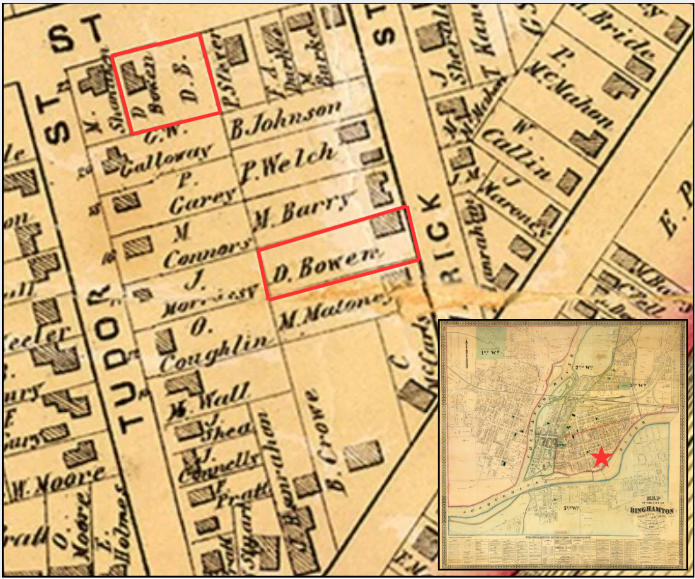
Insets help locate on the larger map, while still providing a zoomed view of the neighborhood.

Migration path, showing the direct route between the couple’s hometown and their homestead in Colorado.
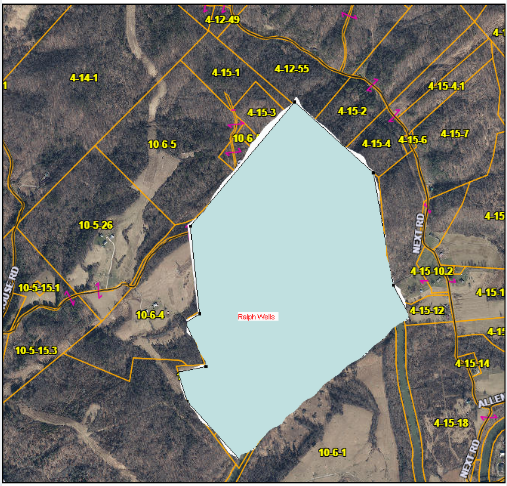
After plotting the deed in DeedMapper it was possible ot overlay it on a Geographic Information System (GIS) image, showing the original boundaries of the land.
Maps can reveal extended family members or indicate what land your ancestor occupied. The neighbors would have been some of the most important people in their lives. They can also help you discover where your ancestor may have originated—or later moved. This is the FAN club (Friends, Associates, and Neighbors) in action on a map.
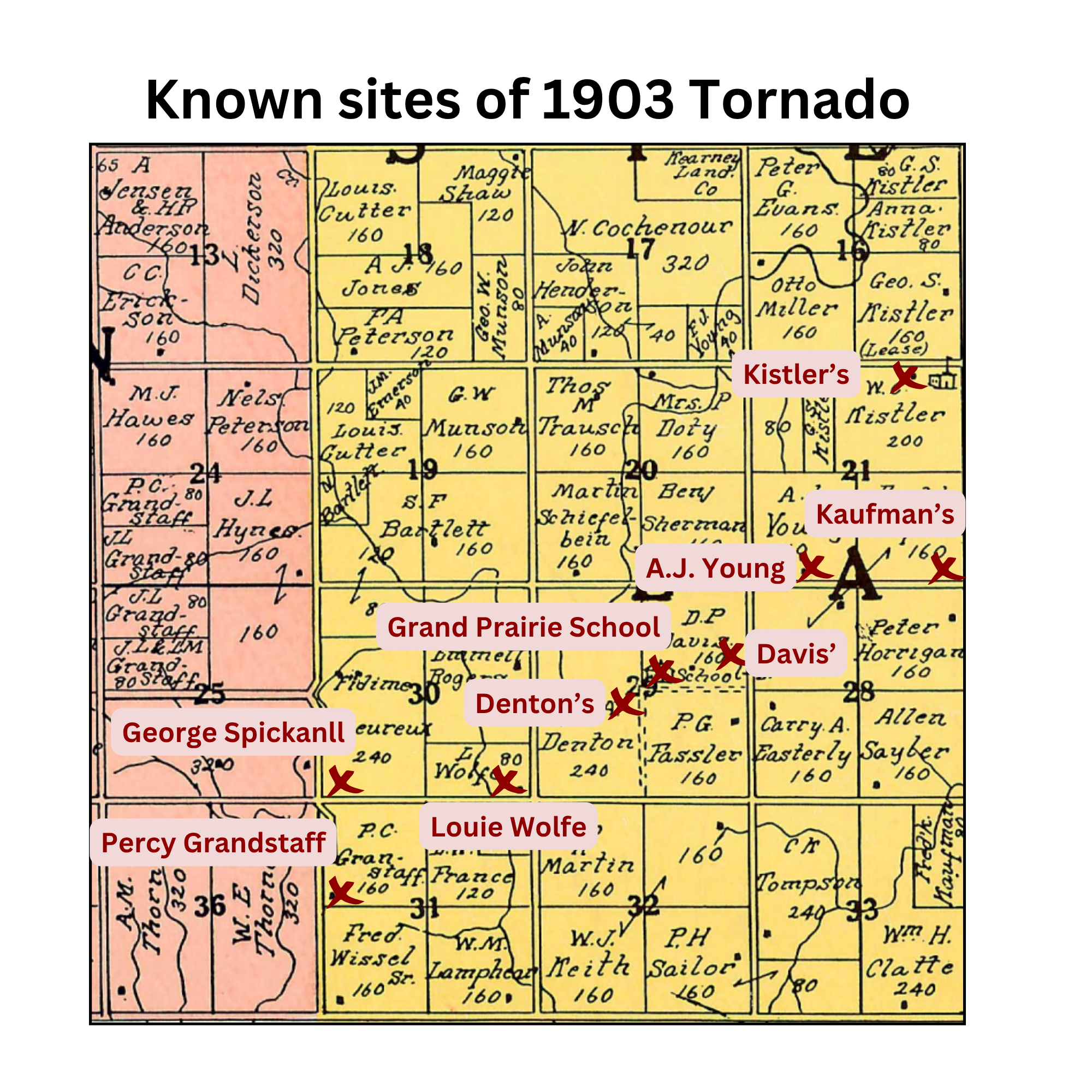
Tracking the path of a tornado in 1903 and the homes it hit.
A picture of an ancestor's property can mean more than a table detailing deed transactions. Sometimes the table is necessary as you compile the research, but transferring its data to a map makes it more impactful for your readers. Accessing historical maps is likely part of your research (or it should be!) but how do you use maps to tell your ancestor's story?
This is a fun part of the history book process! And so many tools are available. Canva is a go-to for me, and using an AI imaging tool has also become a fun part of the creative process. With Google Earth, we can often see the locations our ancestors saw and get a sense of the landscape they experienced in that location. I have even used Zillow to scope out a date of construction for a house.
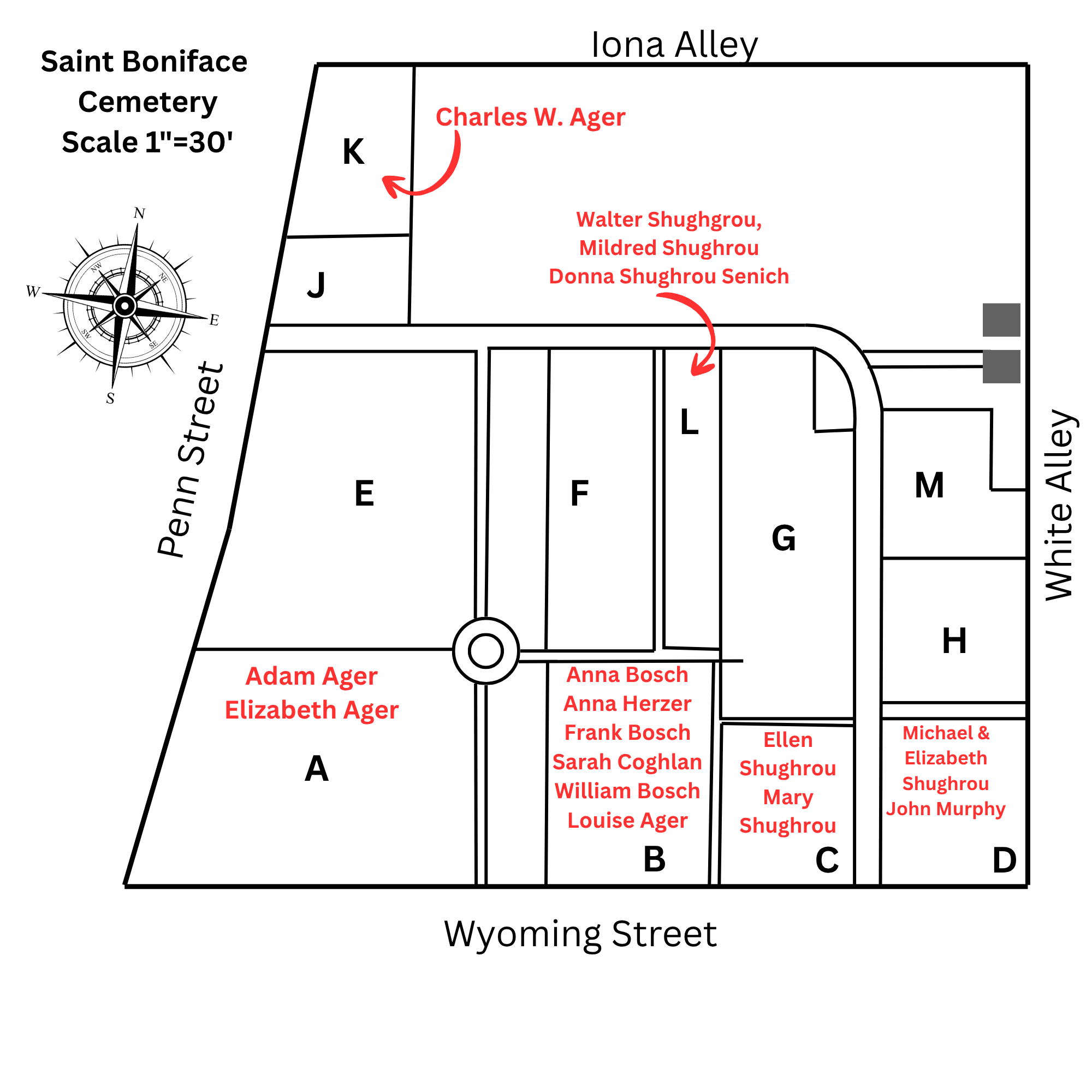
Using a combination of AI and Canva, I mapped the family member in the St. Boniface Cemetery so relatives could easily find their graves when visiting.
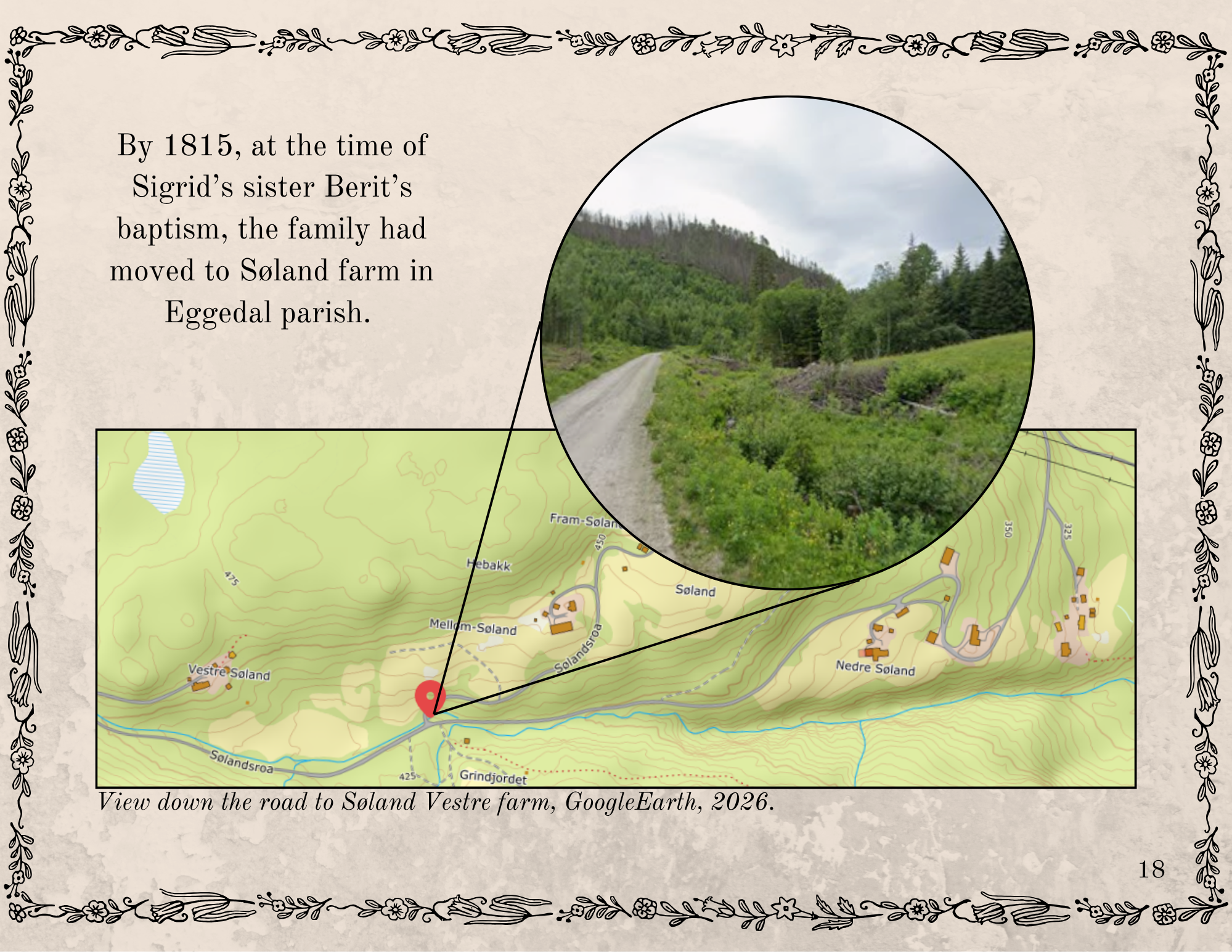
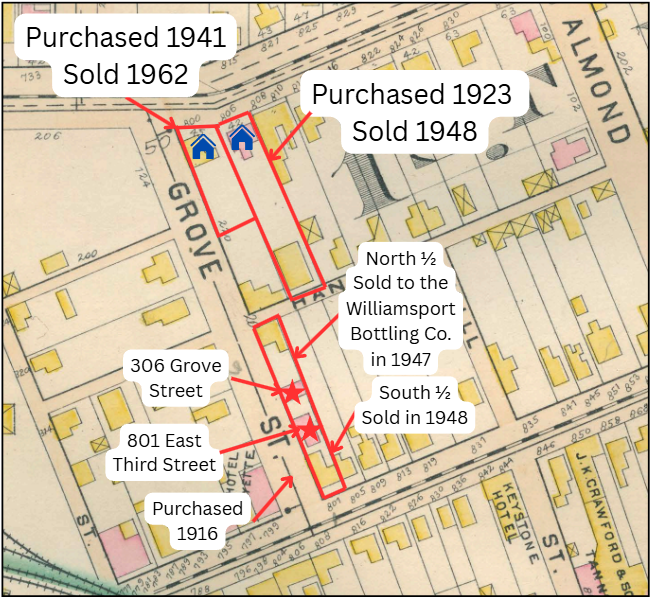
A picture provides more interest than a list of deed transactions.
Our ancestors can be so much more than just the dates marking the events of their lives. Even if they didn't leave pictures, their story can still be told in images. Maps are such a big part of bringing your ancestors’ stories to life, in a way that interests and illustrates for your family members. They left their marks, and sometimes it just takes a little work to see their lives in a meaningful way.
If you’re ready to put your ancestors on the map — literally — I would love to help. Creating custom maps and visual timelines is one of my favorite parts of building a family history book, and I do it for clients every day. Whether you’re just getting started or have years of research waiting to be transformed into something your family can hold and treasure, reach out at https://www.chartyourheritage.com/contact. Let’s find out where your people have been.