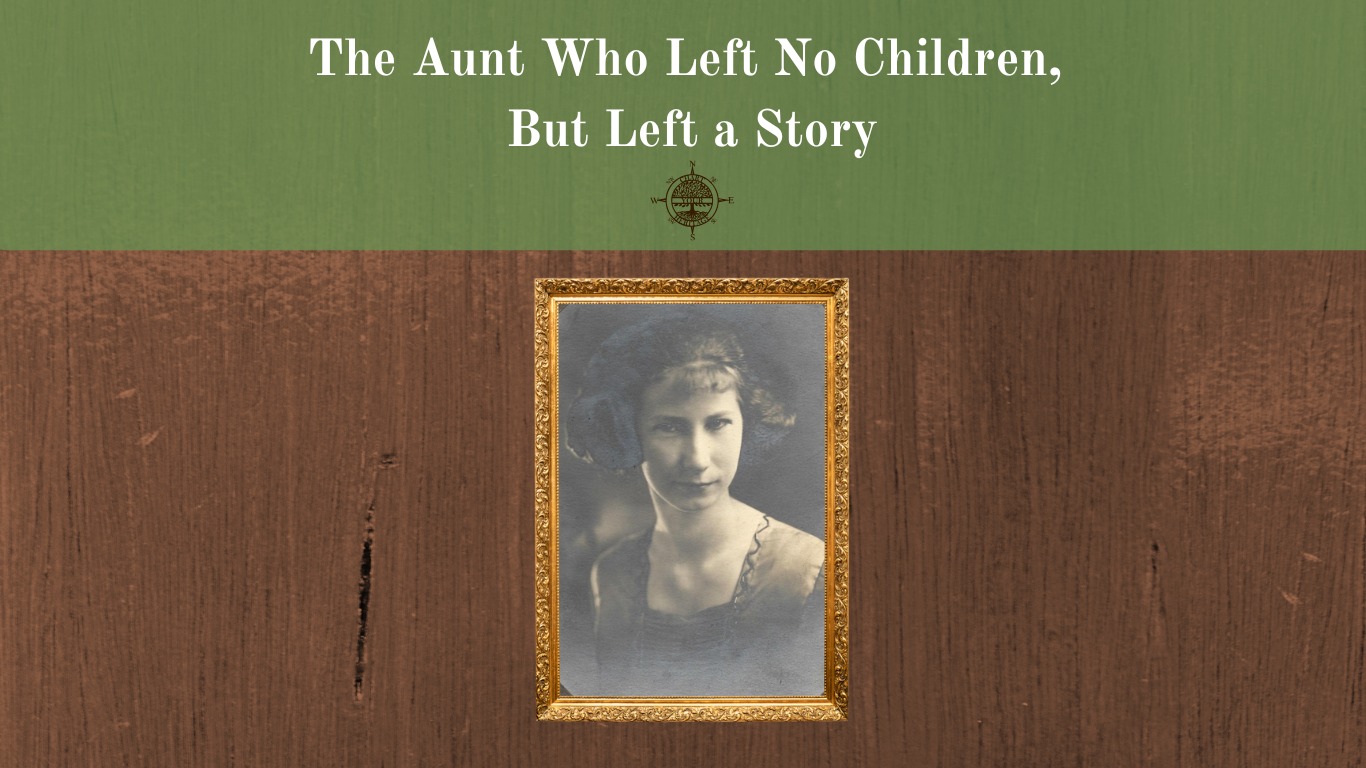
My grandma took care of me when I was very young while my mother worked. Grandma was very social, she would have “tested” as an extrovert if she ever took one of those personality tests we all take these days. So, we visited a lot of people, and some of those memories are so strong even today.
One person we visited was my 2nd great Aunt Gladys. Sister of my Grandpa’s mother, she was his closest link to a mother he lost when he was only sixteen. So, my grandma made it a point to visit with her.
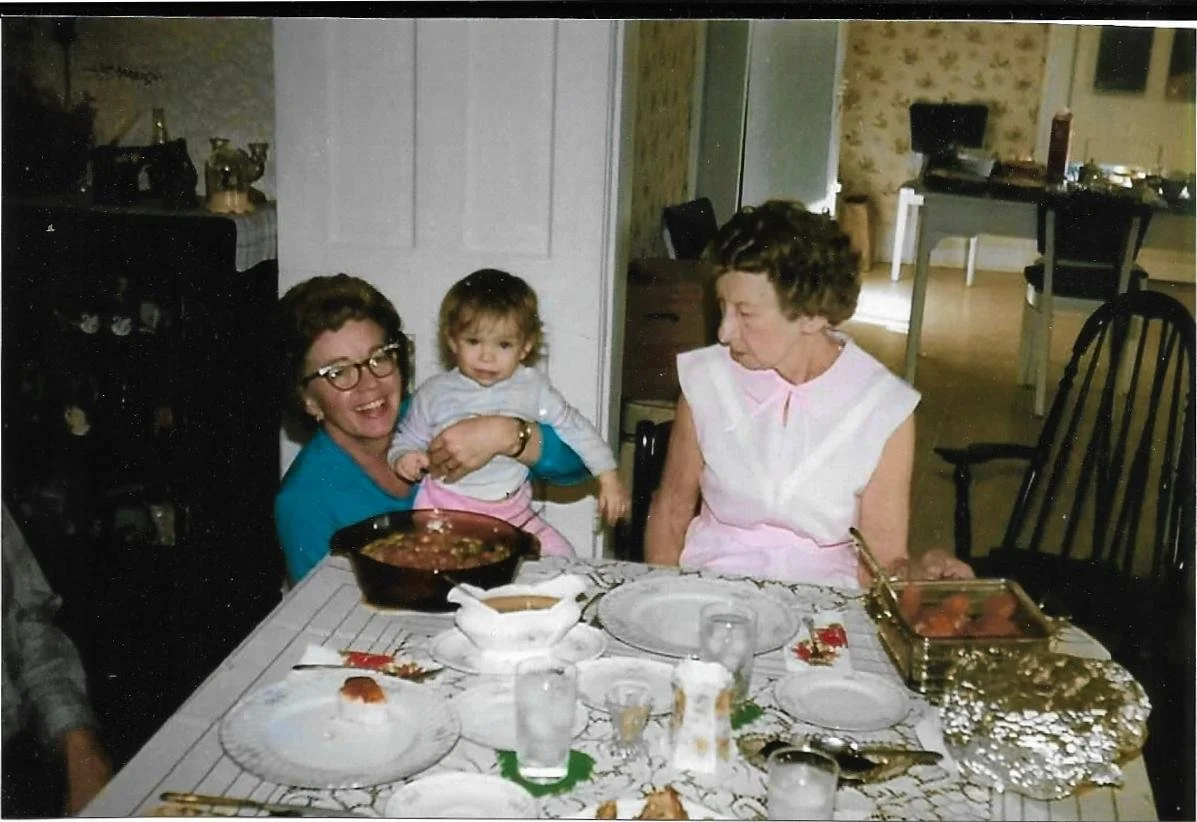
Grandma, myself, and Aunt Gladys, Christmas 1984
The visits stand out in my memory because of her floor. I remember how her linoleum floor was always so squeaky clean that my shoes would make loud noises when I walked across it. It was especially noticeable in her otherwise silent house. She was widowed by this point and never had children so there were no grandkids to come by and visit her. I was likely the only child to enter her house. The rest of the visits are hazy, an impression that I sat at her table and had a cookie while she and grandma talked. I recall thinking she was so small and thin, even to my young eyes.
Aunt Gladys died when I was still very young, so these impressions were all I had left of her. I don’t recall the funeral, if I even went, or cleaning out her house, as I now know my Grandma did. But these ghostly memories of a lady in my childhood have somehow lasted all these years.
However, Aunt Gladys’s story survives. Partly because she was my grandpa’s only connection to the mother he lost when young and partly because my grandma saved everything.
After my Grandma passed my mother inherited her “archives” of family documents and memorabilia. I helped mom go through some of these items and Aunt Gladys became less ghostly as we encountered all her items Grandma kept.
There was an entire box of Aunt Gladys’s gloves, much too small and dainty for my large hands. And a vase from her future husband’s car that he gave her after their date. Pictures of Aunt Gladys as a young woman in the 1920s, reflecting the flapper style of that era.
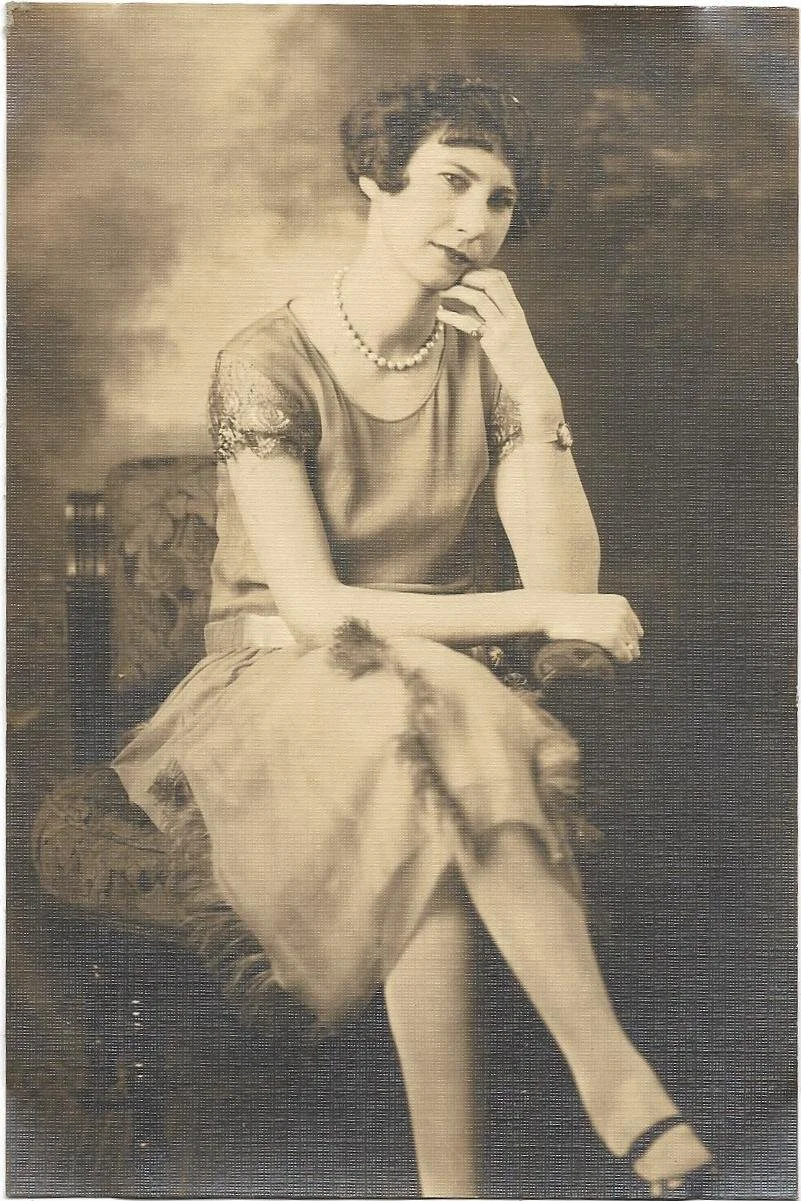
Aunt Gladys, about 1925
Suddenly Aunt Gladys wasn’t just a hazy memory but an actual person with a full history to be explored.
Gladys’s story is told through the items and records my grandma saved. A letter dated 14 July 1942 from Gladys’s husband, Jonie, to her opens with “Dearest Honey Bunch,” a peek into their personal life together. Anniversary and valentines cards exchanged between the couple over the years reveals Jonie maintained his pet name for Gladys.
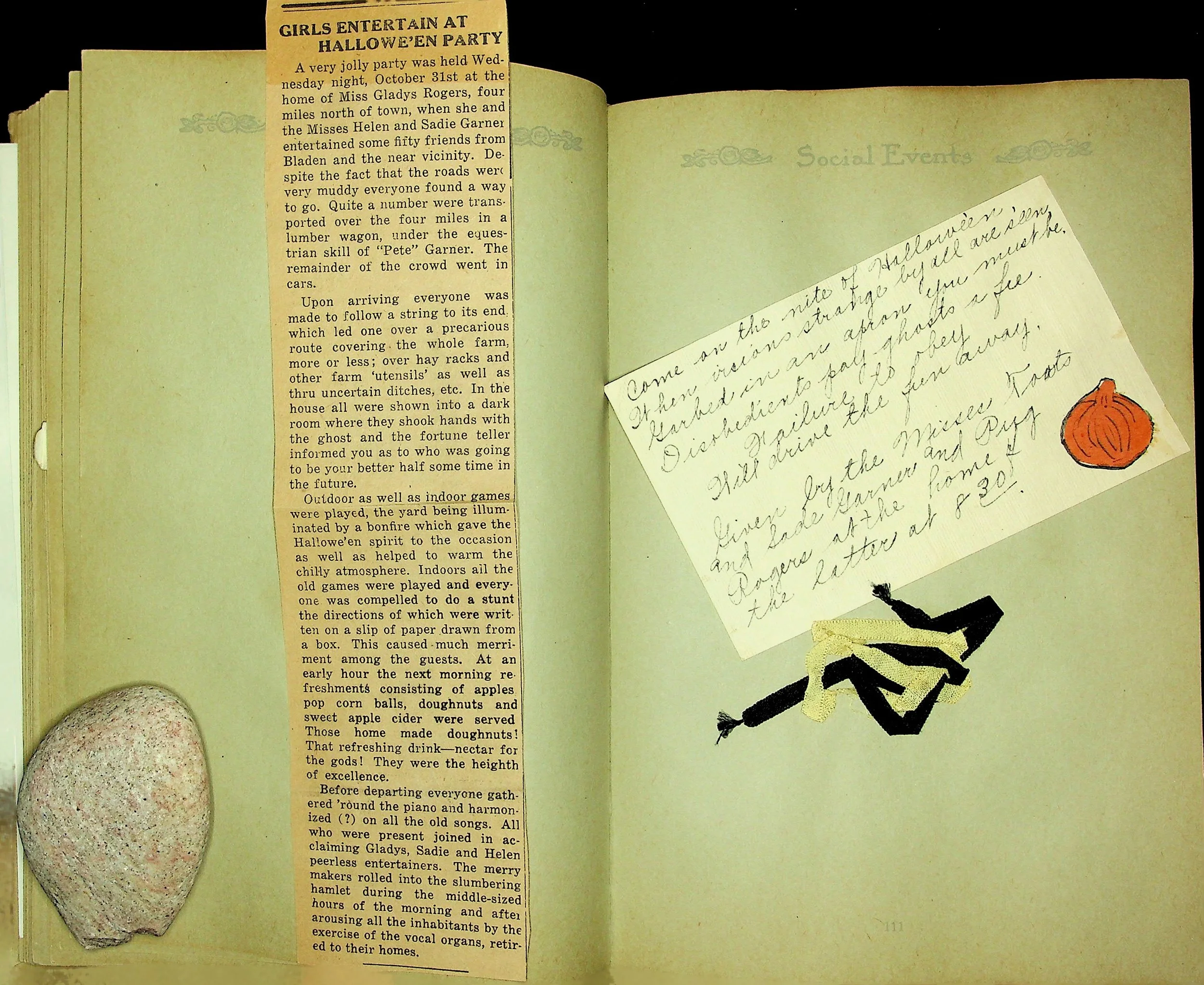
A scrapbook of Gladys’s school days contains programs of plays she was in. A news article, and invitation to, the Halloween party Gladys and friends threw at her house in 1923.
Gladys’s transcript from her attendance at the University of Nebraska-Kearney Normal School. Normal Schools were the teacher training schools at the time.
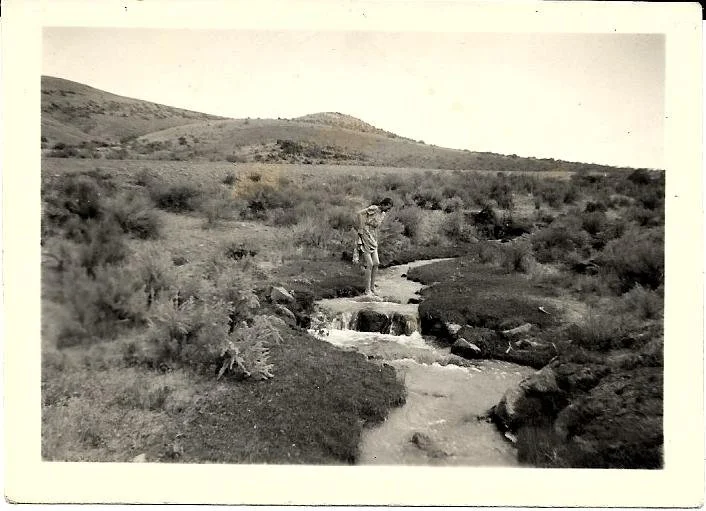
A picture of Gladys “washing her feet” in Wyoming survived, even though she noted on the back that she didn’t like the picture.
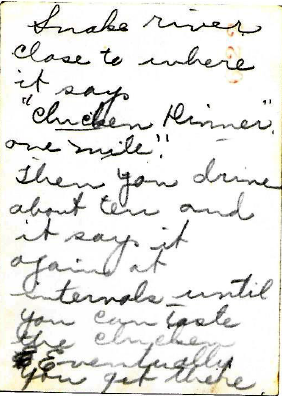
Another picture of their trip retains Gladys’s notation on the back, demonstrating her sense of humor. “Snake river close to where it says, ‘Chicken Dinner, one mile.’ Then you drive about ten and it says it again at intervals until you can taste the chicken. Eventually you get there.”
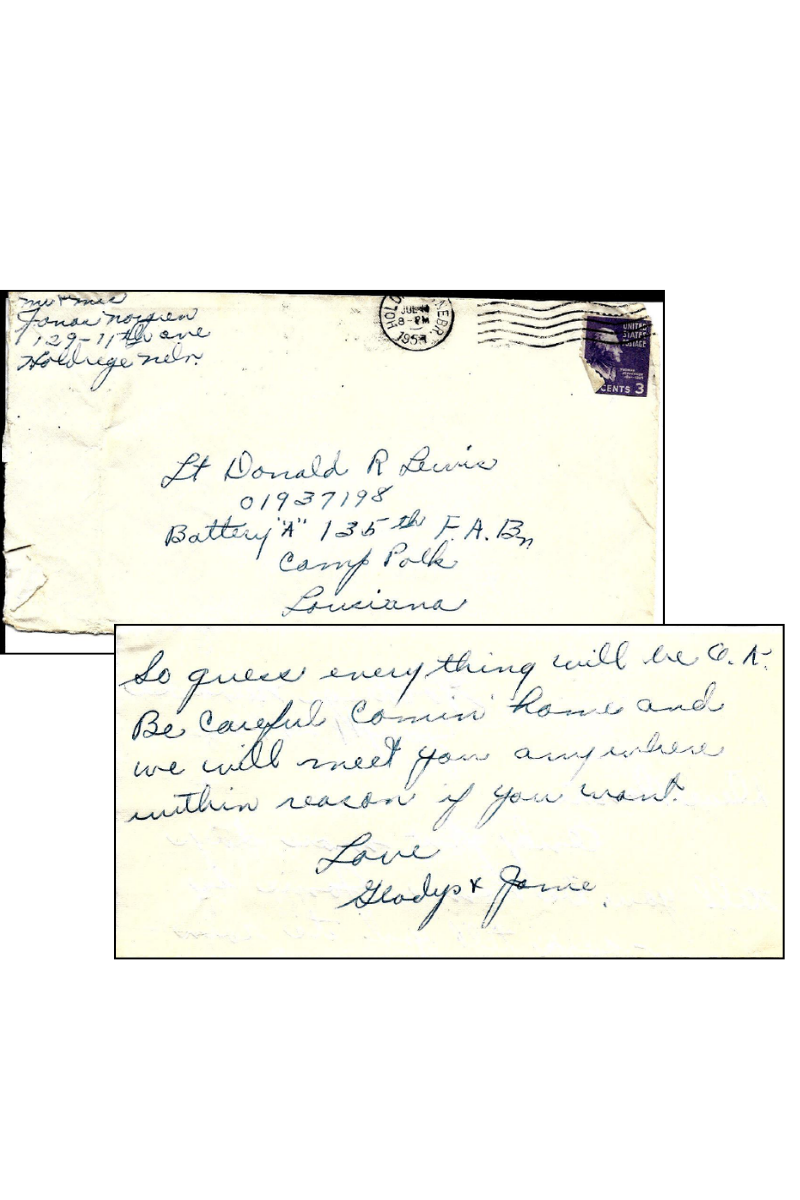
Gladys signed her letters to grandpa “Love.” He was the only child of her only sibling. I imagine grandpa was very special to her.
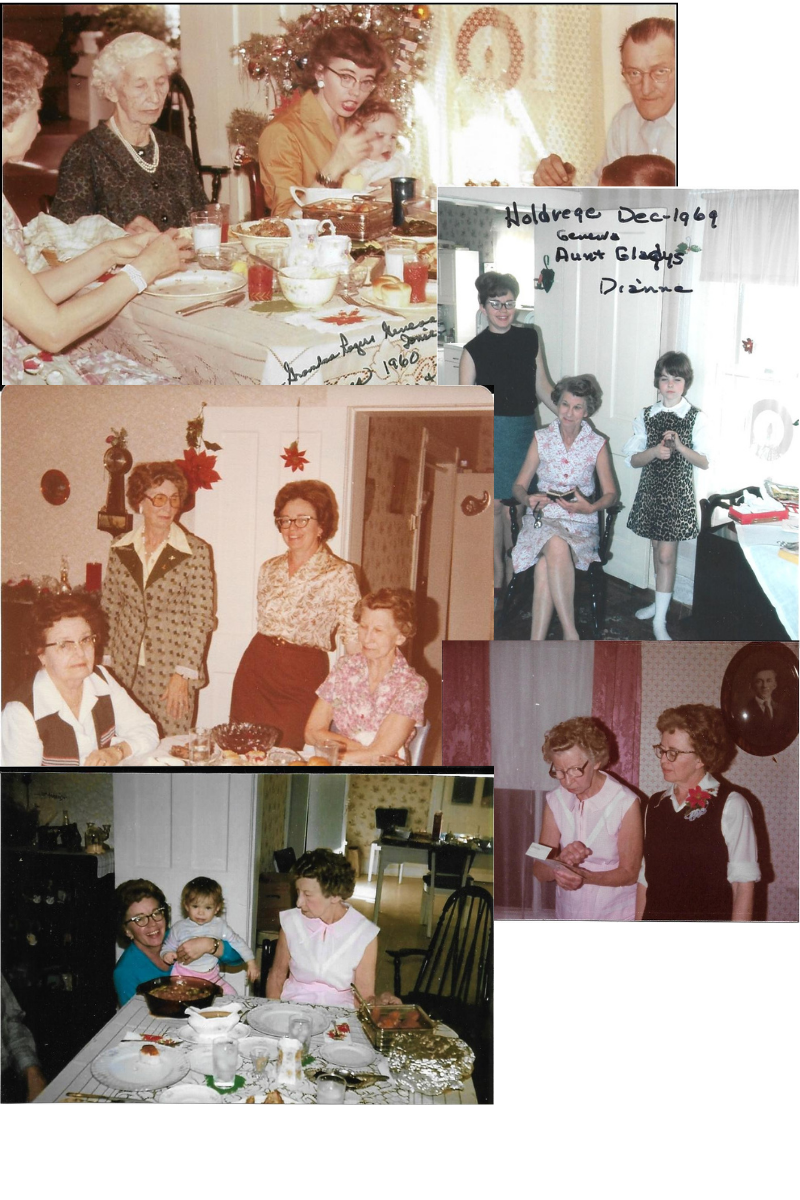
Pictures indicate she enjoyed hosting Christmas dinner for her family over the years. In 1959 she and Jonie hosted the family. My mother was only four months old at the time. I imagine my grandma appreciated having someone else put the dinner together that day.
Perhaps the most fascinating find among Aunt Gladys’s things was a story she wrote. There is no date on it, but the top has “G. Norgren” so it was likely after her marriage. Reading the story brought a chill over me as I slowly realized that while most of the names were changed, it is the story of Gladys’s father’s family. She artfully brings the tragedies of her dad’s childhood to life with descriptive narratives. Her father’s mother died when he was only four years old, in 1877. Death records and newspapers hadn’t revealed the circumstances surrounding her death. But in Gladys’s story, the young woman, newly delivered of a second child, catches a cold from a trip to her parents’ and passes away during her visit. The heartbreak of her husband is gripping. Is this possibly the story Emmet told his daughter? Is this her imagination of the death of her grandmother? The possibility that this story is the retelling of the events is real.
These stories, pictures, letters, and saved items paint a compelling picture of my second great aunt. She was a social girl, involved in her small rural community, with imagination, energy, and an excitement for life. She likely had the time with her father to sit down and thoughtfully ask about his family, childhood, and memories. Aunt Gladys loved her only nephew and hosted his family for Christmas, even as they expanded to include babies and young, destructive children. She was thoughtful, diving deeper into shared experiences than a casual Aunt might.
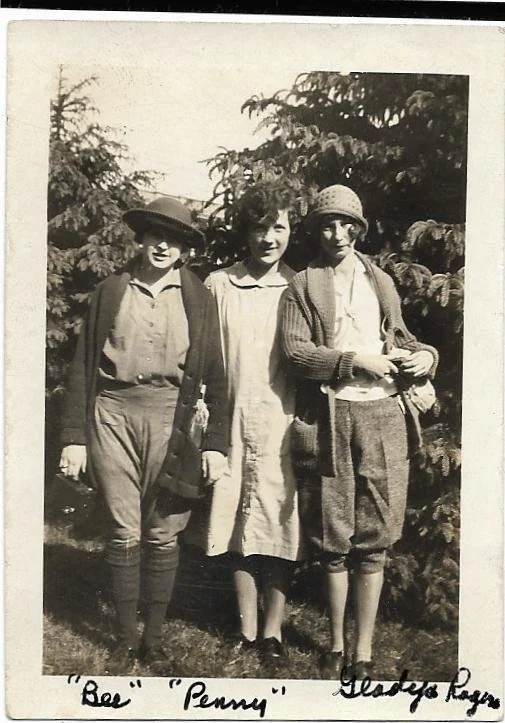
The memory of Aunt Gladys, as a shadowy figure in the background of a squeaky linoleum floor is suddenly expanded into an actual person, with a fully lived life. And perhaps it is because she didn’t have children, and grandchildren who hold greater memories of her, that I feel almost possessive of my Aunt Gladys and the privilege I had knowing her. Do you have an Aunt Gladys in your family tree? Someone who was a shadow in the background of your childhood, but whose story deserves to be told? Those stories are there — in the boxes, bibles, and scrapbooks — waiting to be found.