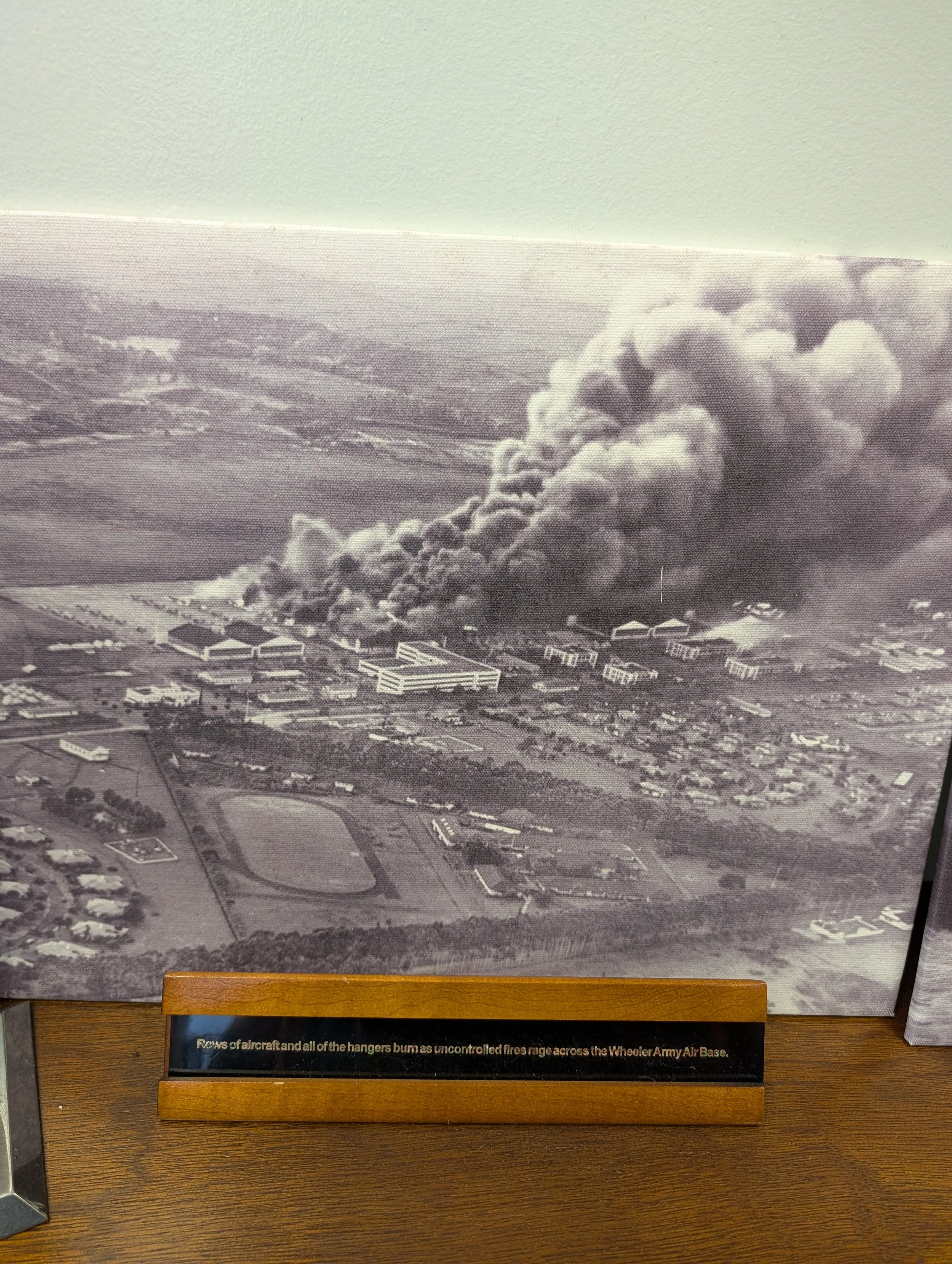
The sound of the planes swooping overhead must have been deafening. How hard did the ground shake as the bombs dropped? I have read that many thought it was just one of the many drills recently run by the Navy in preparation for this very eventuality. When did people realize this wasn’t a drill? The attack itself lasted less than two hours, but the aftermath went on for days. For some, a lifetime.
Make it stand out
Whatever it is, the way you tell your story online can make all the difference.
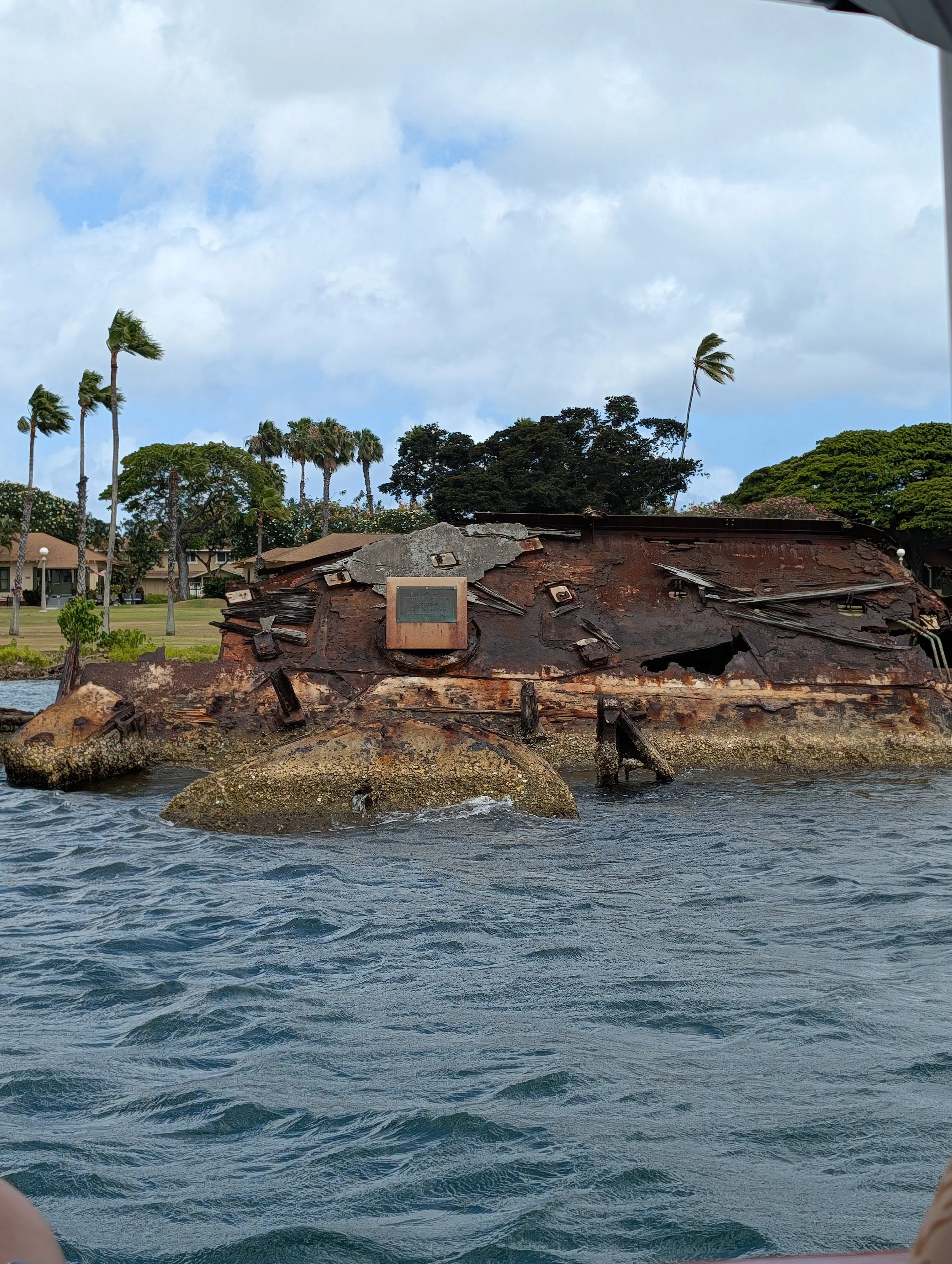
We recently toured the USS Arizona Memorial in Pearl Harbor. We had the privilege of taking the private tour, around Ford Island with a Navy Lieutenant guiding us. Seeing, retracing, the landscape, the ships that are forever at rest at the bottom is an emotionally evocative experience. One that hits me every time. My ancestors didn’t experience that day in Pearl Harbor, but they have experienced America’s history in other places firsthand, and they lived through the events that shaped her.
Make it stand out
Whatever it is, the way you tell your story online can make all the difference.
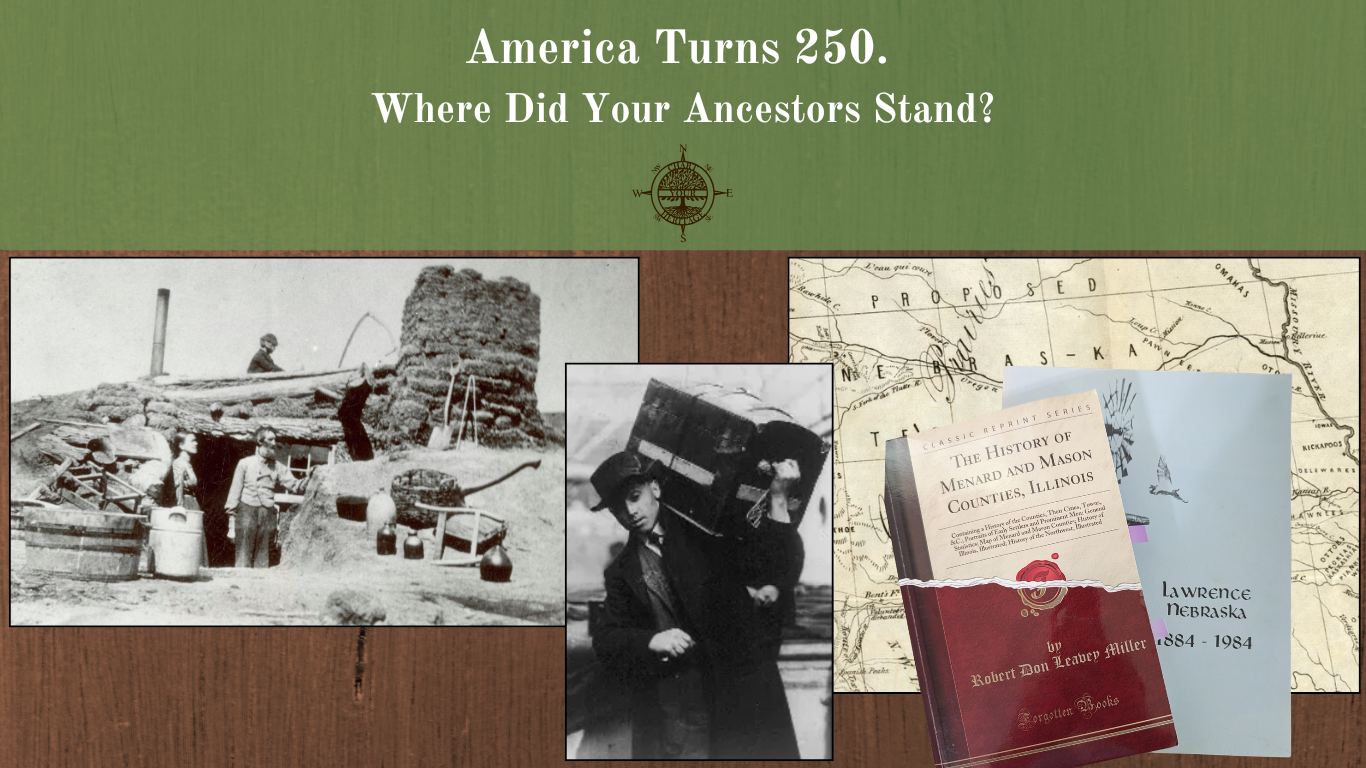
Our ancestors were not passive bystanders to America’s history; they were integral actors. We can often overlook the common man or woman’s contribution to history if they do not appear in our history textbooks. But without our ancestors the tapestry of American history would be threadbare. It was the frontier family, settling in Kentucky that makes the story of Daniel Boone relevant. The soldiers who joined the Continental Army are the ones who supported the Convention attendees — otherwise that would have been a piece of paper lost to history with no relevance. Manifest Destiny wasn't a policy handed down from Washington — it was built mile by mile, by the settlers who pushed West across the prairies and mountain ranges. Our ancestors stood in the middle of these historic events in our country — their sweat, blood, and losses provide the building blocks that have brought America to its 250ᵗʰ anniversary.
This year's anniversary belongs to your ancestors whose contributions to our history have brought us here. We need to take the time to honor their stories as part of our country's celebration. Their story — of their hardship during the Great Depression, war service, or coming to this country as an immigrant and contributing to the industrial growth — deserves to be told alongside the louder stories of Abe Lincoln, Harriet Beecher Stowe, and Chief Red Cloud.
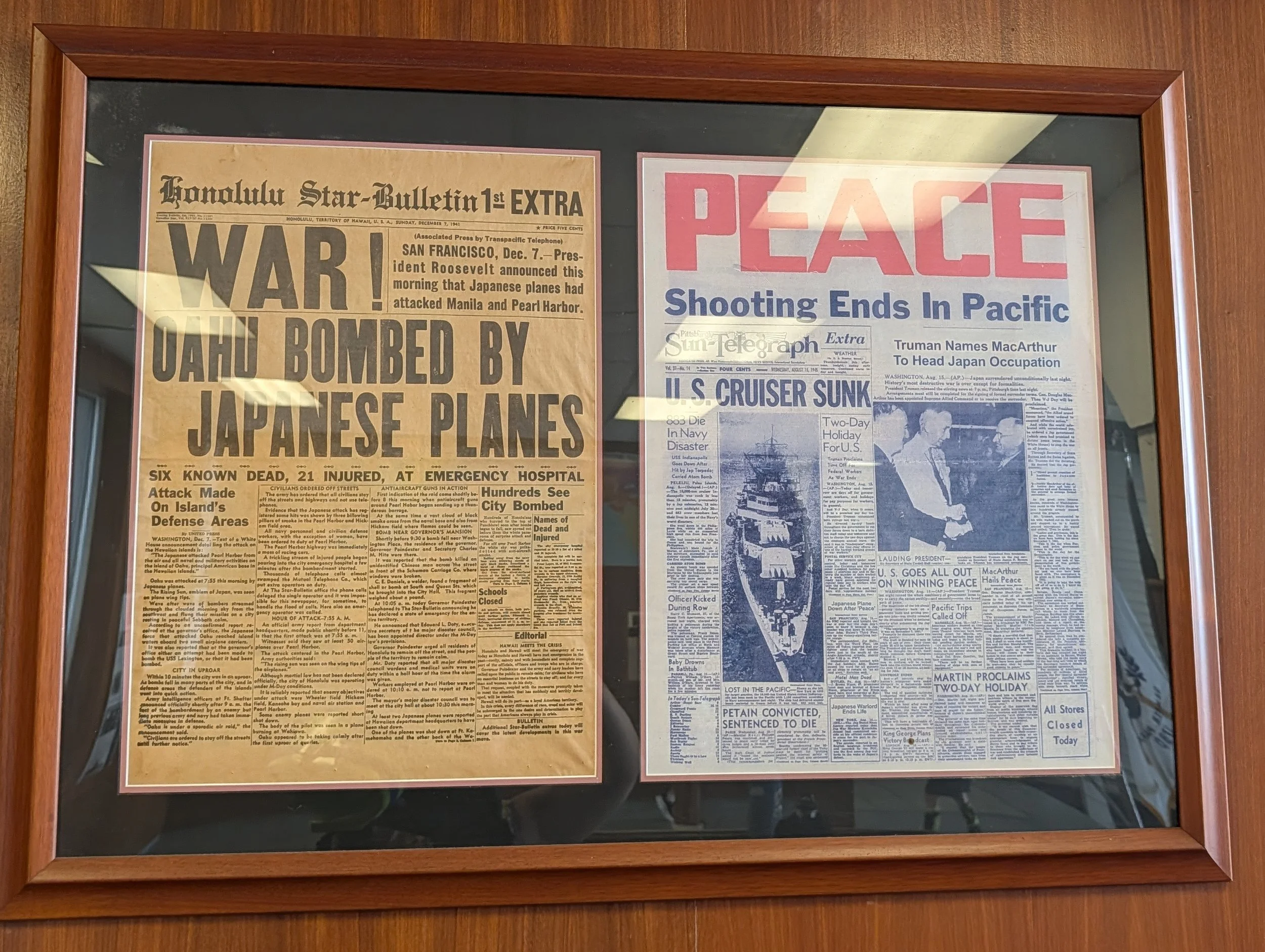
There are many ways you can search for these stories. As always, start with your family archives. Gather the pictures, diaries, and stories that have been passed down. Talk to your oldest relatives, and your cousins who may know what you don't. Research newspaper articles. What were the headlines your ancestor read over his morning coffee on 2 September 1939? Your ancestor may appear in these pages as well, but it also gives you the context — what your ancestor experienced and how their decisions and actions contributed to what came next.
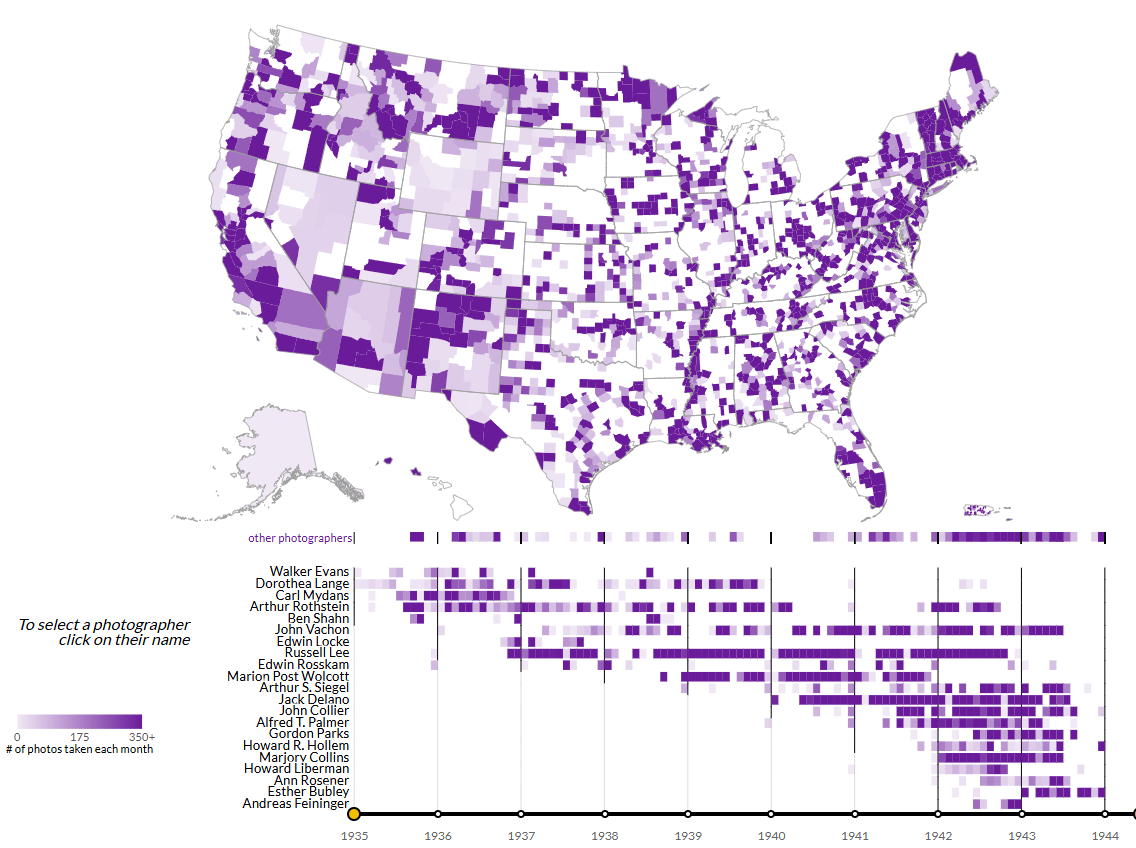
Online Facebook groups, town histories, and other websites may offer a look into your ancestors’ stories. Check out Photogrammar, a great repository of Depression-era photographs, easily searchable by location.
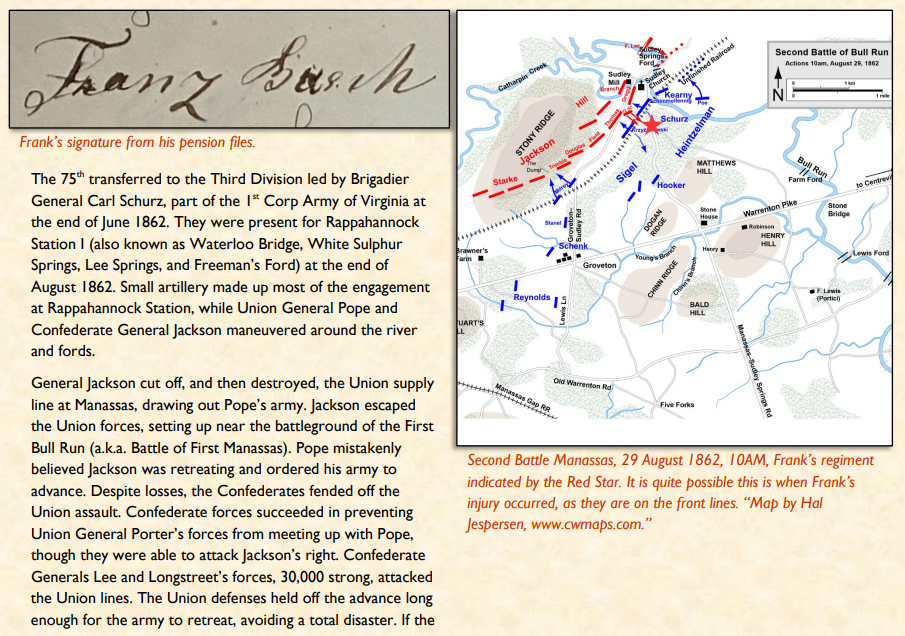
It is likely you have at least one family member who served in America’s military. They may not have biographies like Patton, but they were in the thick of battles, decisions, and experiences. You should research their records and request them from the National Archives or local repositories. These records may not provide extensive details, but they will help place your ancestors in military units and locations. Then, research their unit. Military History is a popular topic and covered in many books. Military buffs have also done a great job creating online pages for various units with pictures and details. These add context for that sparse record. The Veterans History Project at the Library of Congress is free, searchable, and has great recordings of veterans’ accounts of America’s wars.
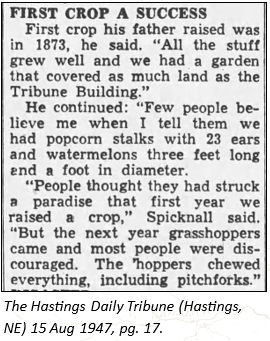
County histories are also a rich resource for adding context to your ancestors’ experiences. Many will detail natural disasters for a particular area. The grasshopper raids in Nebraska are often described in great detail. You are able to picture your ancestor standing in the yard, watching while the sky turned black with the flying bugs, the sense of helplessness as they knew their crop was about to fall to this biblical plague. How were they to make it through the winter? How could they afford to try again next year?
America 250 is a celebration, but it is also a reckoning. Our ancestors struggled through these years experiencing hardship, injustice, danger, and disasters. They may not have made the same decisions you would have, but their decisions are a part of America's history. Without sharing their stories, we miss America. And if we miss where we have come from, the decisions and experiences that make up the great American people, how do we determine our own impact on this country? How are we able to let her guide our own decisions and direction? While America's mountain ranges, streams, and prairies make up her landscape, it is her people who ultimately determine who she is, and who she will become.
Much like those sailors and families at Pearl Harbor 7 December 1941, we have our own place in America’s history to take. While our history may not appear in the great texts, they will still appear in the records we leave our descendants. And what we do will shape America’s next 250.
Whether you’re just beginning your search or have hit a wall tracing your family’s place in American history, Chart Your Heritage can help. I specialize in finding the ancestors who don’t make the history books — the settlers, the soldiers, the immigrants, the everyday people whose decisions shaped the country we celebrate today. If you’re ready to find your family’s place in America’s story, reach out at chartyourheritage.com and let’s get started.
If you have ever wondered where or how your ancestor contributed to America, this is a great year to kickstart your research.
That way, as we celebrate America, we know we are also celebrating our ancestors.